
DESIGN BLOG
Thoughts
&
Musings

When Art Becomes Part of the Architecture
Rebuilding after the Eaton Fire, and designing a new home around a collection that matters
Some of the most compelling interiors do not begin with a completed room and the question, What should we hang here? They begin with the things the people who will live there already love.
Two longtime collectors of my artwork lost their home in the Eaton Fire, along with virtually everything inside it. Among what was lost were seven of my works they had collected over the years.
I don’t think art can replace what has been lost. And certainly a new house cannot simply replace a home filled with years of accumulated life. But I have been deeply moved watching them begin again—and extraordinarily grateful that my work has been invited to become part of that beginning.

Architectural visualization of the collectors’ new home, showing five works by Nathalie Tierce integrated into the interior design.
While their new home is being designed and built, they have been living in a rental. Rather than waiting for the house to be finished, they began collecting again.
One of the works they chose was She’s Over It. After seeing the story and video I had made about the painting, they also acquired Is This Really Happening? For me, there was something particularly poignant about these paintings finding their way to them. Their titles were conceived in entirely different circumstances, of course, but suddenly they seemed to be having another conversation.
The new works went up in their temporary home.
But they were also being considered for something more permanent.
Their architect began incorporating the paintings into interior visualizations for the house being built—not as decoration to be added once the architecture was complete, but as part of the rooms while they were still being imagined.
This is something I think about constantly in my work as an architectural color consultant: the most successful rooms rarely come from treating color, furnishings, artwork and architecture as separate decisions. They work best when those elements are allowed to speak to one another from the beginning.
Scale matters. Sightlines matter. The relationship between a painting and the wall around it matters. So does the way an artwork is experienced from another room, or how its colors interact with wood, upholstery, flooring and natural light.
In this home, the collection is already part of that conversation.

Interior elevation showing five works by Nathalie Tierce incorporated into the planned interior. Four form a grouping on one side of the room divider, while a fifth extends the collection into the adjoining space.
One wall is being planned around a grouping of four similarly scaled mixed-media works. Three are already in the collection; the fourth will eventually be commissioned.
In the meantime, the collectors wanted the fourth frame to be present from the beginning—an intentional absence rather than an empty hole.
Their idea was a ransom note.
So I made one.
The fourth frame will hang alongside the other three, containing a ransom note demanding the arrival of the missing artwork. I won’t reveal the note itself—the collectors won’t see it until it is framed—but I love that this charming, slightly absurd interruption will become part of the installation’s history.
For the moment, the empty space isn’t really empty at all.
It is holding a place for something that hasn’t happened yet.

She’s Over It, 42" x 42", oil pastel on Arches 140 lb. cold-press watercolor paper
As someone who works both as an artist and as a color consultant, I find this project especially meaningful. It illustrates something I often tell clients: a home becomes more personal when we begin with what already has meaning to the people who live there.
A painting, a textile, a piece of furniture, a family object—or even a particular view—can become the starting point for decisions about color, placement, scale and atmosphere.
The goal is not simply to fill a room. It is to create relationships among the things in it.

Is This Really Happening?, 42" x 42", pastel on Arches 140 lb. cold-press watercolor paper
After losing so much, my collectors are not trying to reconstruct every detail of the home they had. They are creating another chapter. There are things from before that remain important, new things entering their lives, and spaces being intentionally left for what is still to come.
I am profoundly grateful to them for allowing my work to accompany them into this new home—and for allowing me to share a glimpse of their rebuilding process.
A home is at its most compelling when the people, the architecture, the color and the things they love are allowed to become part of the same story.
Exterior Color Consultation in Franklin Hills
Before:
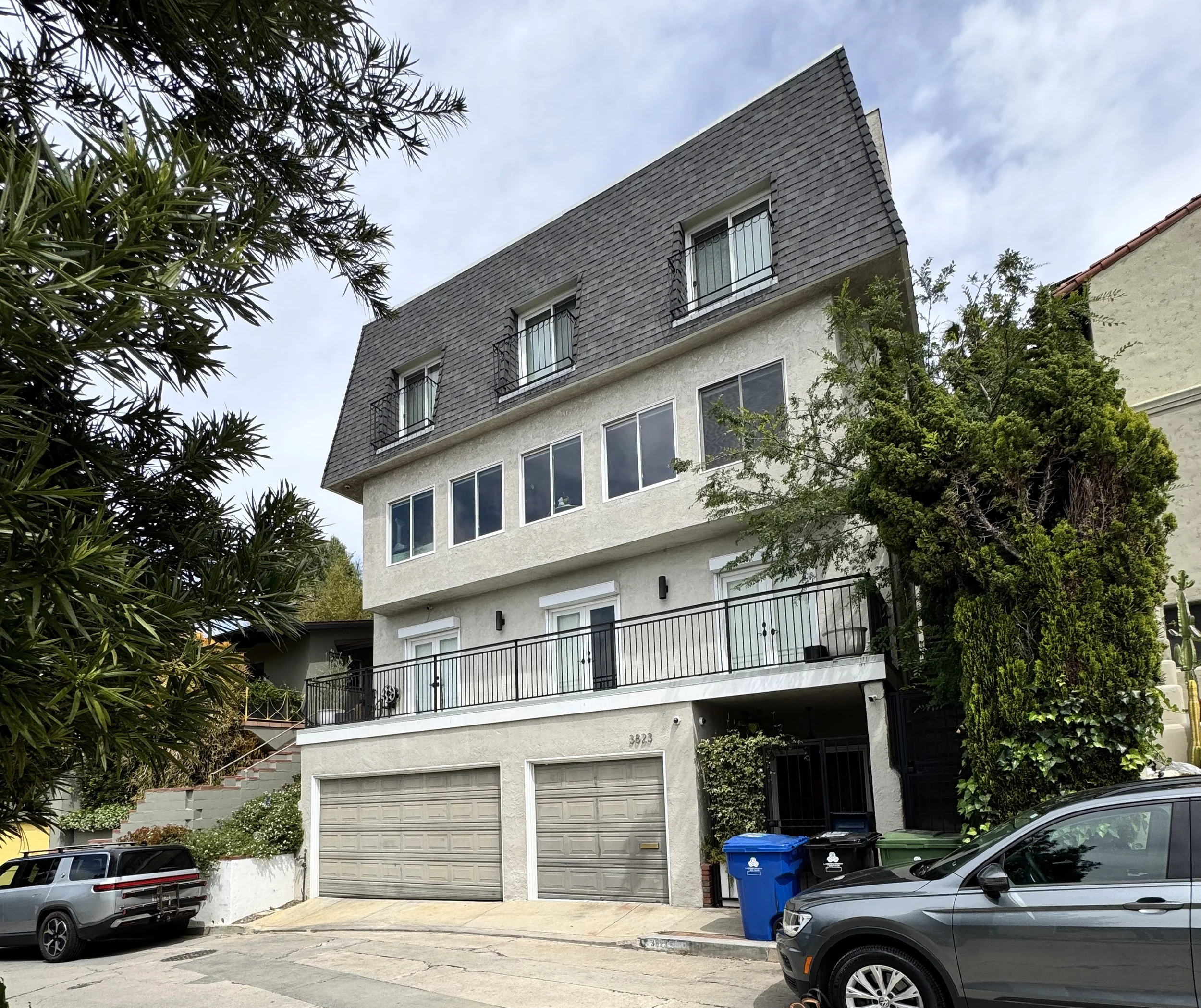
Franklin Hills Los Angeles home before exterior architectural color consultation
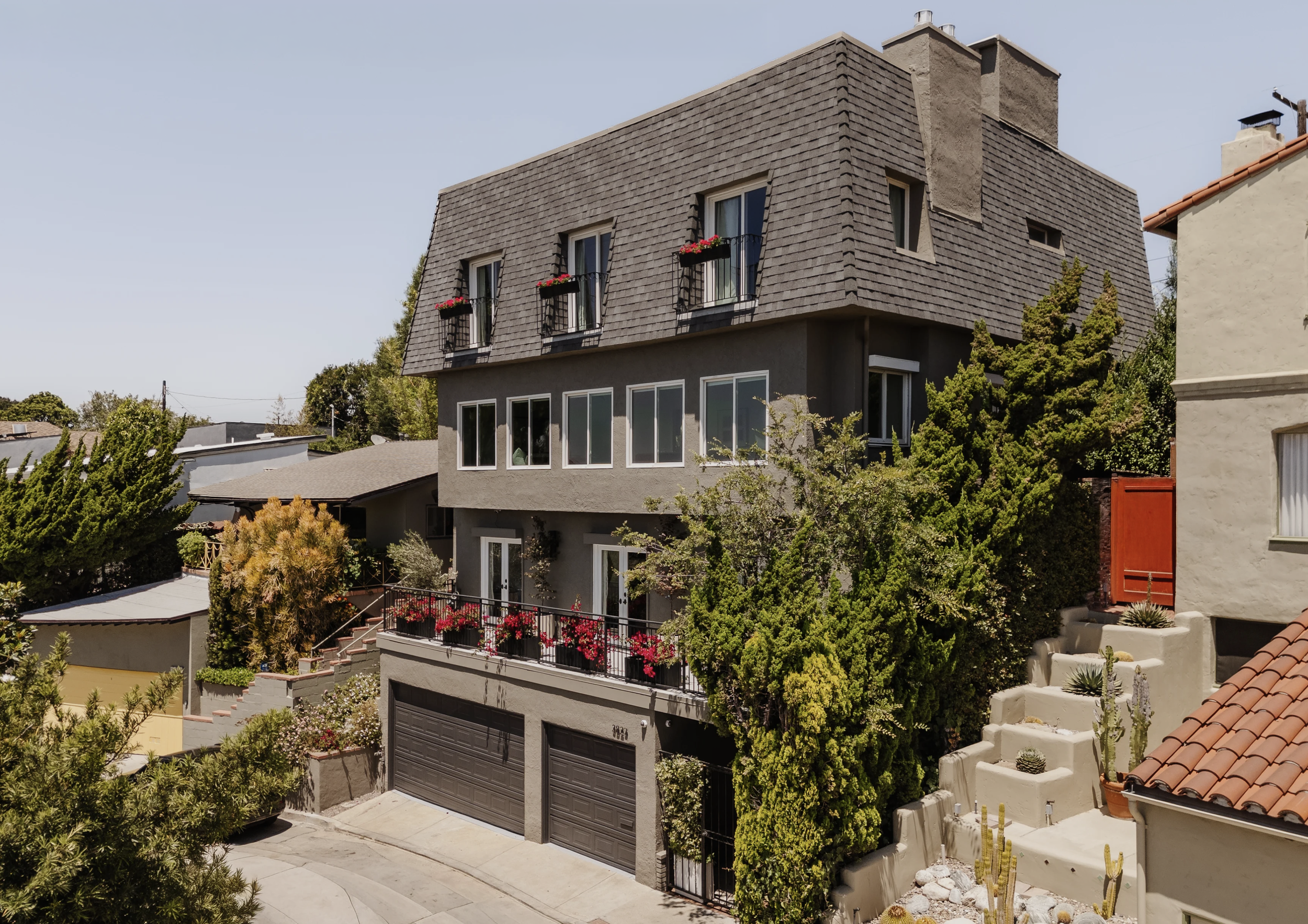
Exterior color consultation and color selection by Nathalie Tierce, Custom Color and Art — Franklin Hills, Los Angeles.
Using Color to Rebalance a Top-Heavy Façade Before Going to Market
When my clients in Franklin Hills, Los Angeles decided it was time to put their longtime home on the market, they knew the exterior needed attention.
Over the years, most of their renovation efforts had quite reasonably been directed toward the interior. The exterior, however, had largely been left alone. By the time they contacted me for an architectural color consultation, the house was beginning to feel disconnected from the improvements they had made inside.
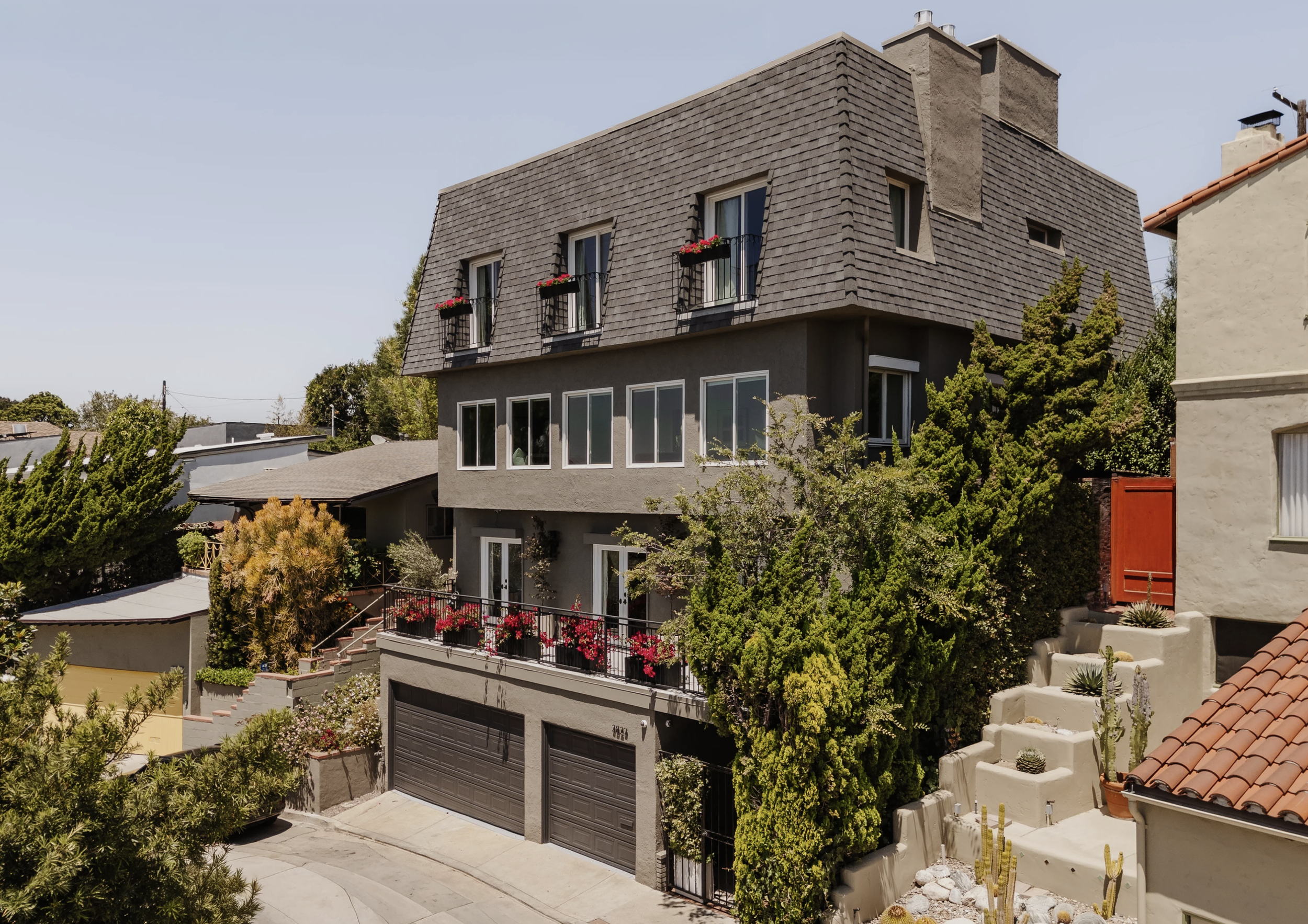
The architecture itself was interesting: a tall, narrow hillside home with a substantial dark mansard-style roof, three upper dormers, long bands of windows and a garage level directly on the street. Nothing fundamentally needed to be changed. What the house needed was a stronger sense of balance.
That became the starting point for our color consultation.
The problem wasn’t simply that the paint was faded
One of the first things I noticed was the relationship between the roof and the body of the house.
The dark roof occupies a considerable amount of the visible elevation. Against the existing pale exterior, it visually dominated the house, making the building feel top-heavy. At street level, meanwhile, the faded garage doors and surrounding façade lacked enough visual weight to anchor the structure.
Because this is a hillside property, that relationship becomes particularly important. You encounter the house from below, so your eye naturally travels upward. The goal was to give the lower and middle portions of the building enough presence to hold their own against the roof.
Rather than trying to fight the roof color, I wanted to work with it.
Finding the color already present in the architecture
I recommended Benjamin Moore Randolph Stone CW-75, a complex, earthy neutral with enough depth to ground the façade while picking up some of the warmer undertones already present in the existing roof.
That distinction matters.
For exterior work, I rarely think of a color in isolation. I am looking at the permanent elements of the building—the roof, masonry, windows, paving and surrounding landscape—and asking which undertones are already there and which ones are worth emphasizing.
Randolph Stone allowed the roof to become part of the overall palette rather than an element sitting heavily on top of it.
The deeper body color also strengthened the central portion of the house, while the lighter trim preserved definition around the windows, doors and architectural edges. At street level, addressing the garage doors was particularly important. Because they occupy so much of what someone sees when approaching the property, leaving them faded would have undermined the rest of the exterior work.
A relatively simple change with a substantial effect
The finished house feels more settled into the hillside.
The roof is still dark. The architecture is still exactly what it was. But the relationship between the different parts of the building has changed.
Instead of your eye being pulled immediately toward the roof, the darker façade creates a visual bridge between the upper story and the garage level below. The windows feel more intentional, the black ironwork makes sense within the palette, and the landscaping appears richer against the deeper neutral background.
This is one of the things I enjoy most about architectural color consulting: color can alter how we perceive the proportions of a building without changing its architecture at all.
For homeowners preparing a property for sale, that can be especially valuable. Exterior color is one of the first things a potential buyer experiences, long before they see the renovated kitchen, the flooring or the carefully considered interior.
In this case, the house didn’t need to become something different.
It simply needed the exterior to finally catch up with everything my clients had already done inside.
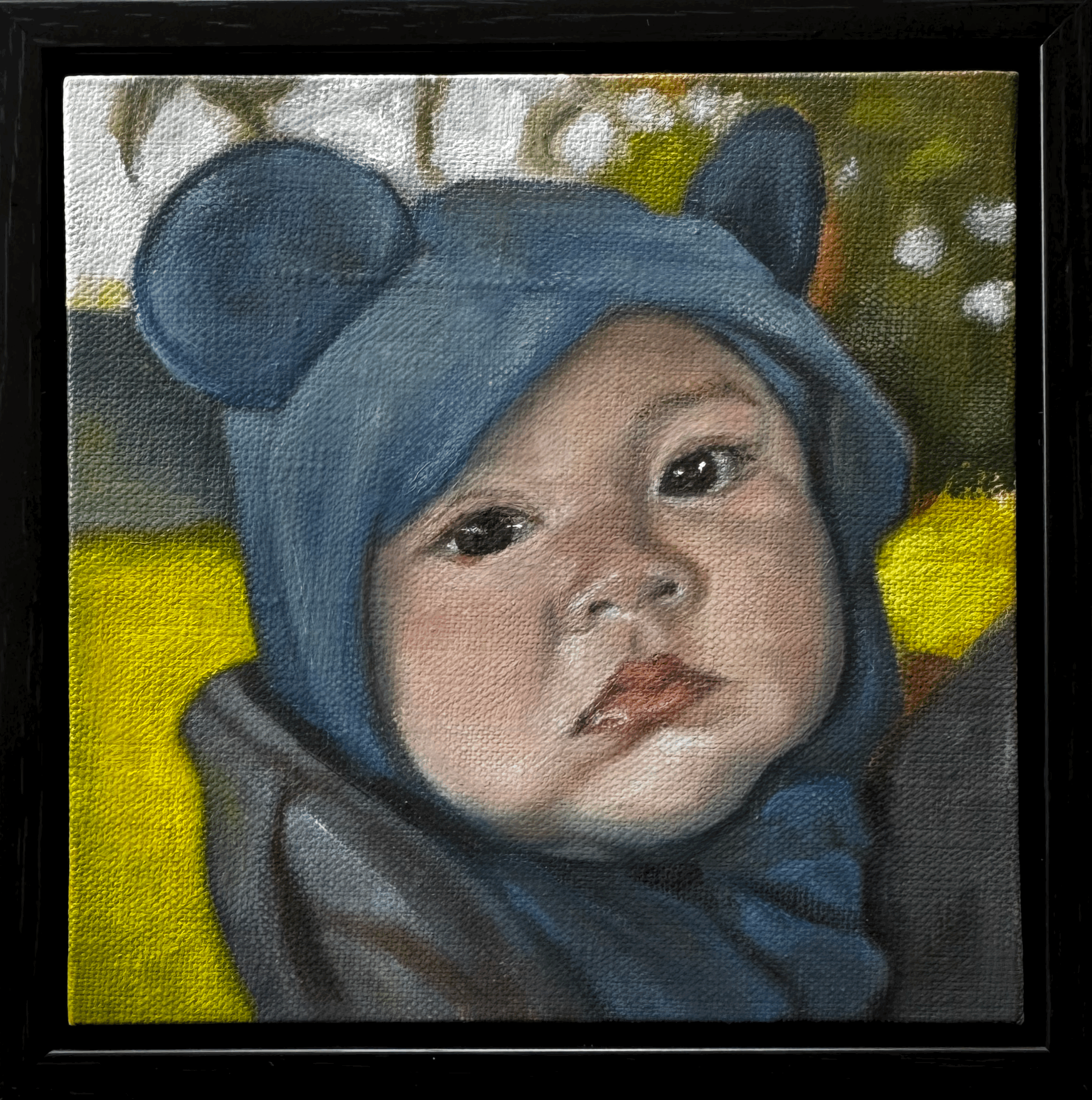
A Portrait of a Moment
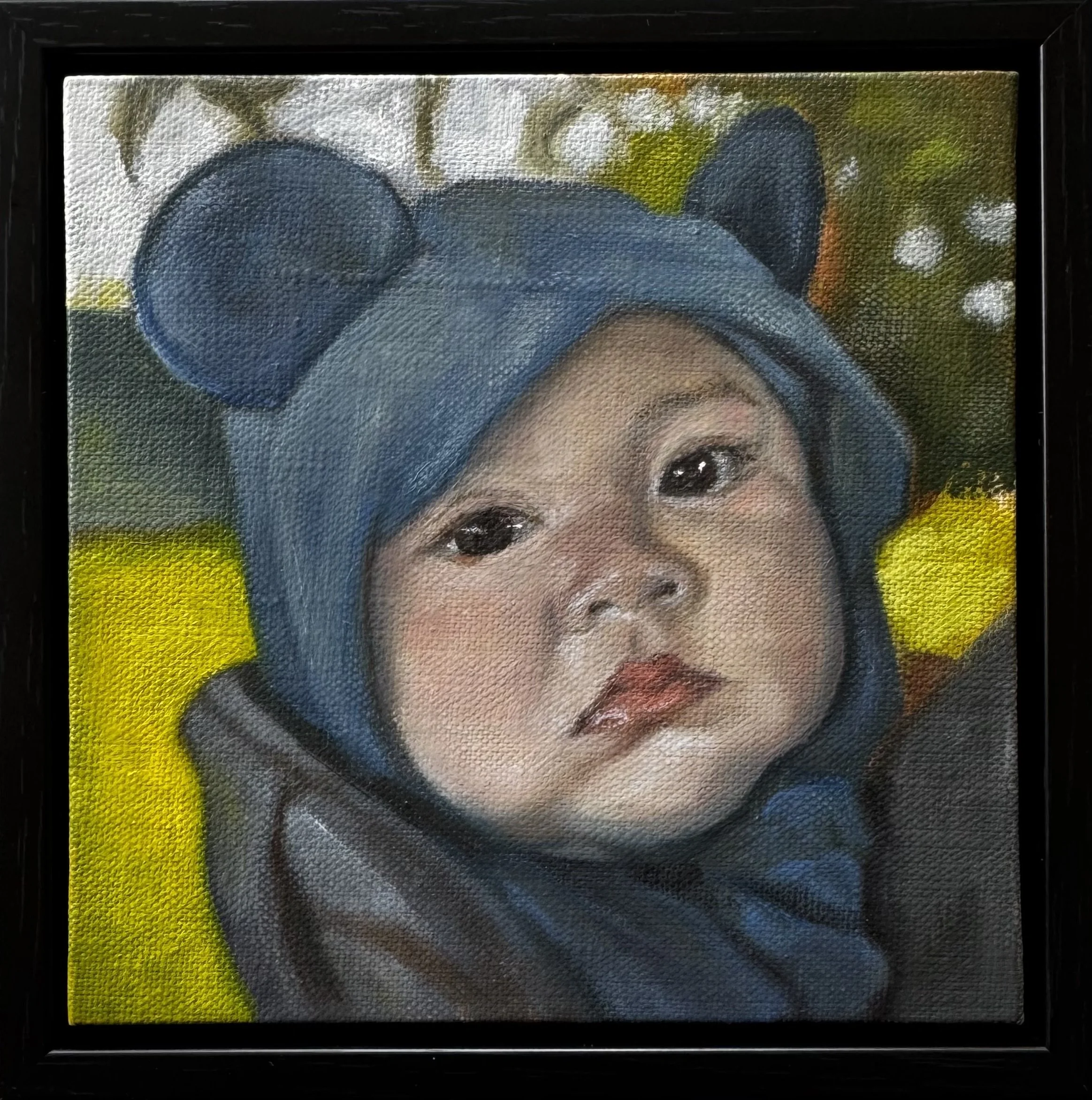
Today I had the pleasure of delivering this small oil portrait to the parents of a beautiful boy.
One of the things I love most about portrait painting is that it preserves more than a likeness. A painting does not simply record what someone looked like at a particular age. It holds something harder to name: an expression, a gesture, a quality of presence, the feeling of knowing someone in that exact season of life.
Children change so quickly. Their faces shift, their personalities unfold, and the version of them we know today quietly gives way to the next. Photographs capture those changes instantly, and we all have thousands of them on our phones. But most of those images remain buried in a camera roll, glimpsed briefly and then forgotten.
A painting occupies a different place in a family’s life.
It asks to be seen slowly. It becomes part of the room, part of the home, part of the family’s story. Years from now, this portrait will not only remind his parents what he looked like at this age, but something of his curiosity, his sweetness, his seriousness, his particular way of being in the world.
That is what interests me about portraiture. It is not only about resemblance. It is about recognition.
Every portrait begins with someone deciding: I don’t want to forget this version of them.
Sometimes that person is a child. Sometimes it is a partner, a parent, a friend, or a beloved dog, cat, or animal companion who has become part of the family. The subject may be small, but the feeling behind the painting is never small.
A portrait is a way of saying: you mattered here, in this moment, exactly as you were.
And that is always worth preserving.
Portrait commissions are deeply personal, and I take on only a limited number at a time so that each painting can be approached with the attention it deserves. If there is someone in your life whose presence you would like to preserve in paint, you are welcome to inquire about availability through my contact page.
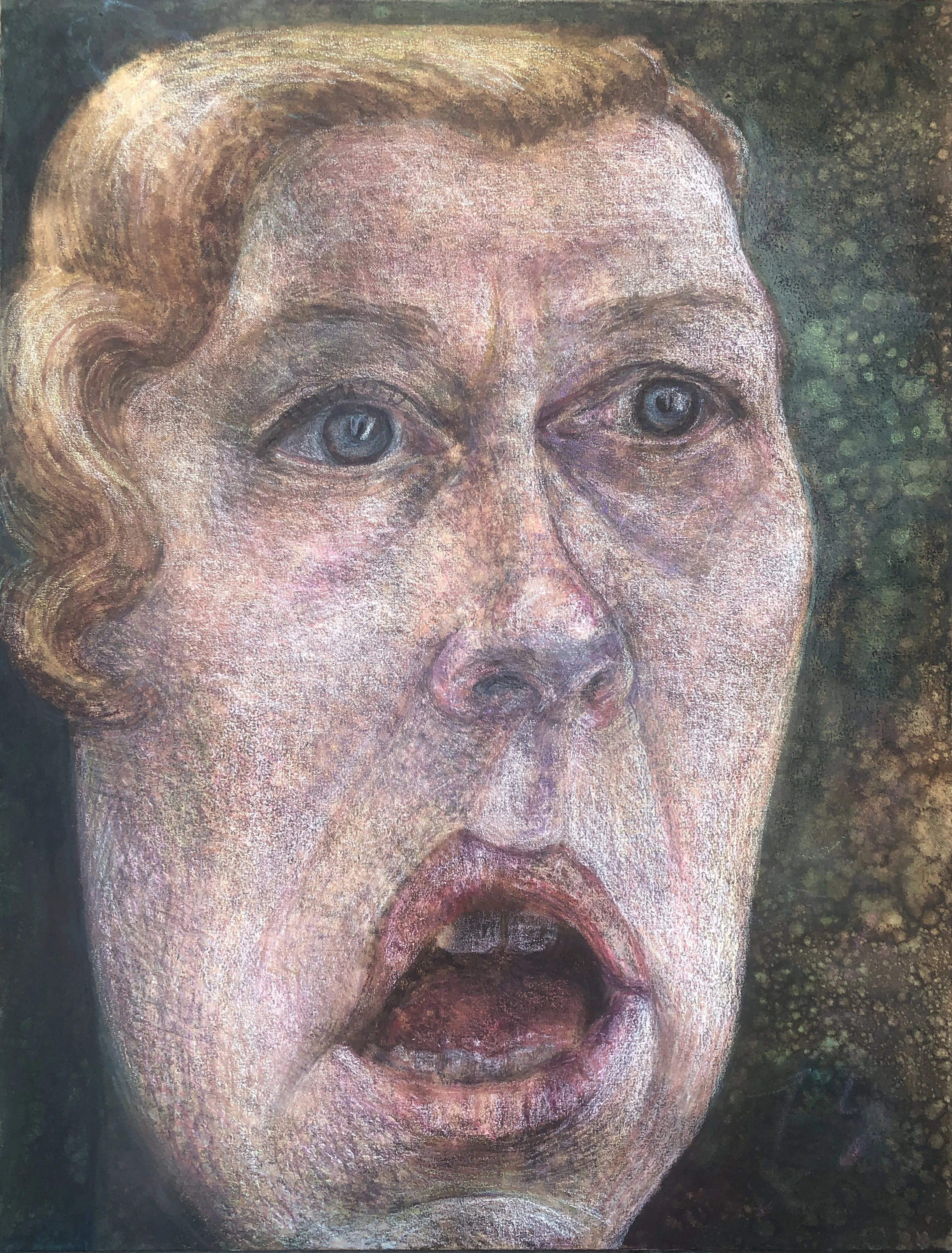
Why Original Art Matters in Residential Design
When people think about creating a beautiful home, they often focus on paint colors, furnishings, and finishes. While these elements are important, original artwork is often what gives a space its emotional center.
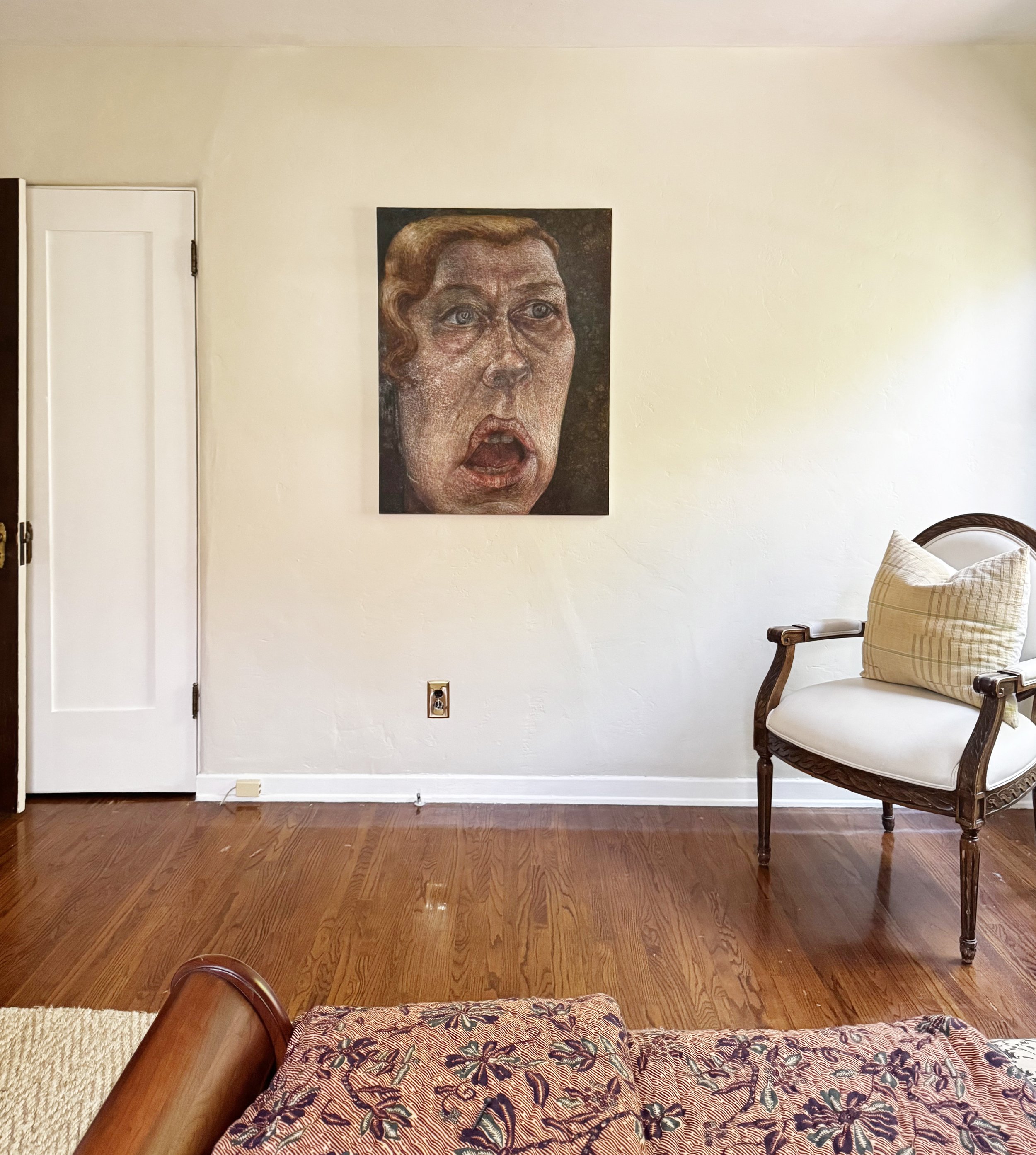
Recently, I had the opportunity to see my painting Moment installed in a 1931 Spanish Revival home in Eagle Rock represented by realtor Aiesha Bailey Mannle. It was a reminder of how powerful the relationship between architecture, color, and art can be.
Throughout my work as a color consultant, I often encourage clients to think about artwork early in the design process rather than treating it as an afterthought. A strong piece of art can influence color decisions, establish mood, and create a focal point that ties an entire room together.
In this Eagle Rock property, the warm tones of the original hardwood floors, soft wall color, and historic architectural details provide a quiet backdrop that allows the painting to become a point of emotional engagement. The room feels complete not because every element matches, but because the elements are in conversation with one another.
Great interiors are not built around perfection. They are built around character.
Original artwork is often where that character begins.
Special thanks to realtor Aiesha Bailey Mannle for her continued commitment to presenting homes with both architectural integrity and artistic vision.
The Science of Color: A Conversation with Nathalie Tierce
Most of you know me through my work as a color consultant, helping clients bring personality, warmth, and harmony into their homes. But my approach to color is also deeply rooted in my practice as a fine artist. My paintings explore color as a language of mood, narrative, and transformation—the very sensibilities that inform my design choices in architecture.
In this blog, I’m delighted to share an article written by the insightful and talented realtor Aiesha Bailey, who highlights how these two worlds come together in our collaborations.
I’m thrilled to use this blog as a space to bridge those worlds and share more about how color lives at the heart of all that I do.
I want to extend a warm thank you to Aiesha Bailey for interviewing me and recommending my work to her clients. I learn something new about real estate every time we work together.

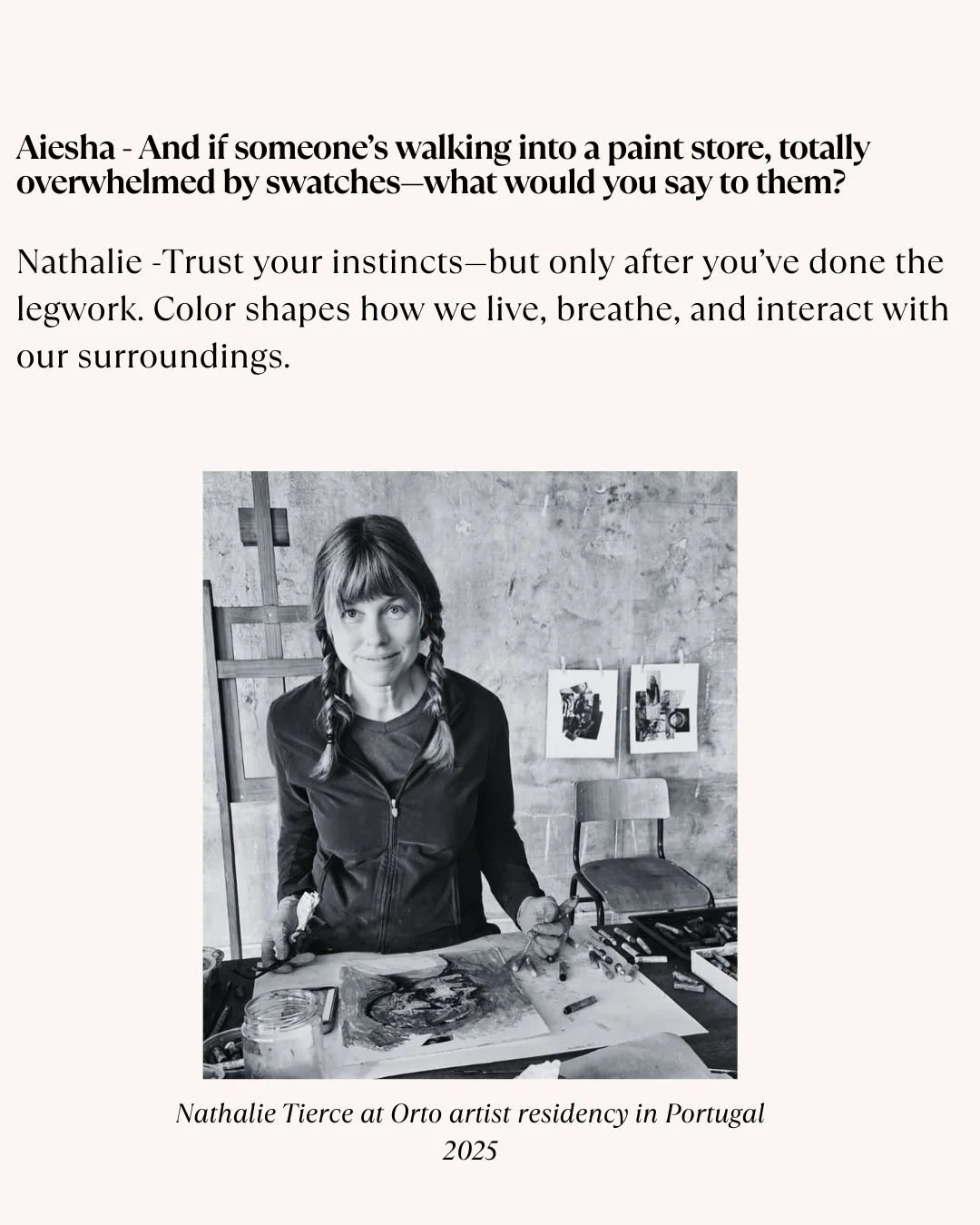
Aiesha: Nathalie, every time we talk, I walk away with new insight about color. But for those unfamiliar with your background, how did you find your way into color consulting?
Nathalie: I began studying art seriously at 14, attending the High School of Art and Design in New York City. At the time, I thought I’d become a commercial illustrator, but while I was there, I interned at an off-Broadway theater, which opened my eyes to set design and props. That experience led me to Pratt Institute for my BFA, and later to the Beaux-Arts in Paris for a study abroad program.
After Disney, I spent years as a scenic artist in London’s film industry. But it was 10 to 12-hour days, always giving 100 percent. When I moved to Los Angeles, it was the same.
Aiesha: So where did the color consulting come in?
Nathalie: It grew organically…
Aiesha - That sounds like it was a rich and varied journey. Was there a specific moment when you knew it was time to pivot?
Nathalie - When my son Joshua was born in 2007, my world shifted, and I reimagined my path. I began leading large-scale mural and ceiling projects in private homes, often collaborating with fellow artists. It was an incredible phase in my artistic career.
During those projects, clients frequently asked for color guidance: interiors, exteriors, roof tiles, landscaping, even pool finishes. I loved it. With my eye, training and communication skills, I was able to help. In 2008, I launched Custom Color and Art, focusing exclusively on color consultation.
Aiesha - I love that you found your niche in something that had been quietly calling you all along. What kinds of projects do you typically take on today?
Nathalie - I work primarily with private homeowners, with select commercial projects. Clients often bring me in when they feel overwhelmed. One of the greatest values I provide is helping them avoid costly mistakes. A color that looks perfect on a neighbor’s house may clash on yours - light, landscaping, and even the texture of your stucco all change how it reads. My role is to create harmony between architecture, environment, and personal taste.
Aiesha- I imagine you’ve had your share of “rescue” calls when someone skips the consultation and then needs help mid-crisis?
Nathalie- Yes, especially with exteriors. By the time I get the call, paint might already be going up - and it’s wrong. Often, it’s because they didn’t sample properly or used a board indoors and assumed it would look the same outside. Lighting and surface textures change everything. It’s stressful for them and me, because I want to help, but I’m often booked well in advance.
Aiesha - So what’s the right way to sample paint? What do people commonly overlook?
Nathalie - Sample it the way it would actually be applied - two or three full coats, using the same tool your painter will use roller, brush, or spray. If it’s brushed on trim, brush the sample. If it’s rolled on stucco, roll it on stucco. Size matters, too. I recommend 12 by 24-inch samples for exteriors, placed in different light conditions throughout the day. And most importantly - be patient. Color shifts with light and time. Observe it over several days before making a decision.
Aiesha - Let’s talk about trends. With social media constantly showing perfectly styled spaces, how do you help clients stay grounded in what actually works for their home?
Nathalie - Oh, Instagram and Pinterest have a lot to answer for! [Laughs] People see a perfectly lit, filtered room and think, “I want that.” But that same color might fall flat in their home. The “gray craze” is a good example - people assume gray is safe and chic, but without variation or warmth, it can feel cold and lifeless.
What I do is look for themes in what they are drawn to. If they bring me inspiration photos, I help identify common threads. Then I reinterpret those elements to suit their environment and lifestyle.
Aiesha - Let’s talk about some of the trends I’ve noticed recently- like millennial pink and butter yellow? Why do you think these colors have become so beloved?
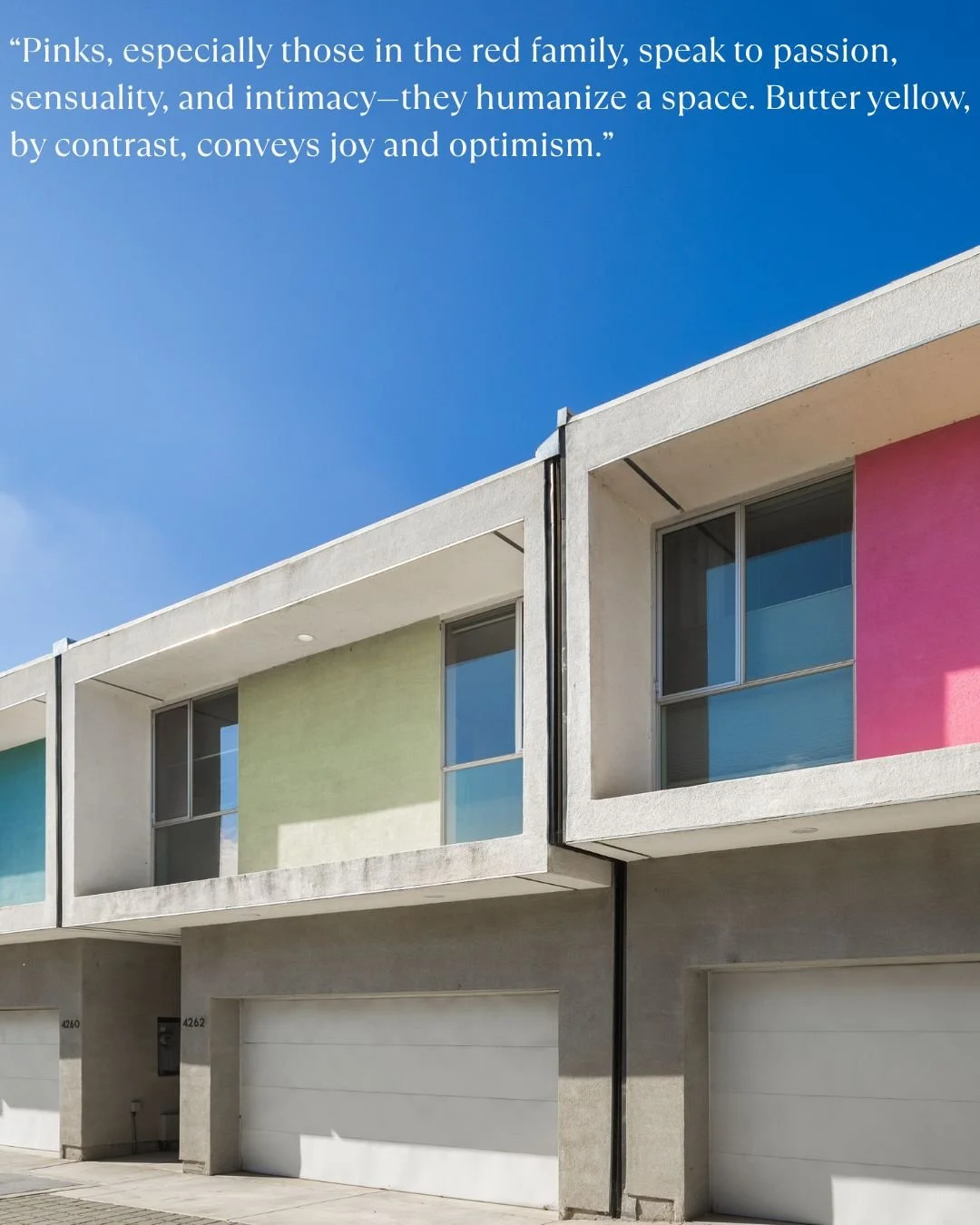
Nathalie - Starting around 2008, gray and other muted neutrals dominated interior design, reflecting the caution and uncertainty of the time. People craved stability, and gray felt like a safe, clean choice. By 2019, though, fatigue had set in, and the pandemic only accelerated the shift. We began craving warmth, personality, and emotional connection in our spaces.
That is where colors like millennial pink and butter yellow entered the scene. Pinks, especially those in the red family, speak to passion, sensuality, and intimacy - they humanize a space. Butter yellow, by contrast, conveys joy and optimism. Psychologically, it sparks energy and forward motion, unlike the introspective nature of blues and greens.
These colors are more than aesthetic trends. They are emotional responses, reflecting a collective desire for soul and expression in our surroundings. Color is back as a language of feeling, and that return inspires me deeply.
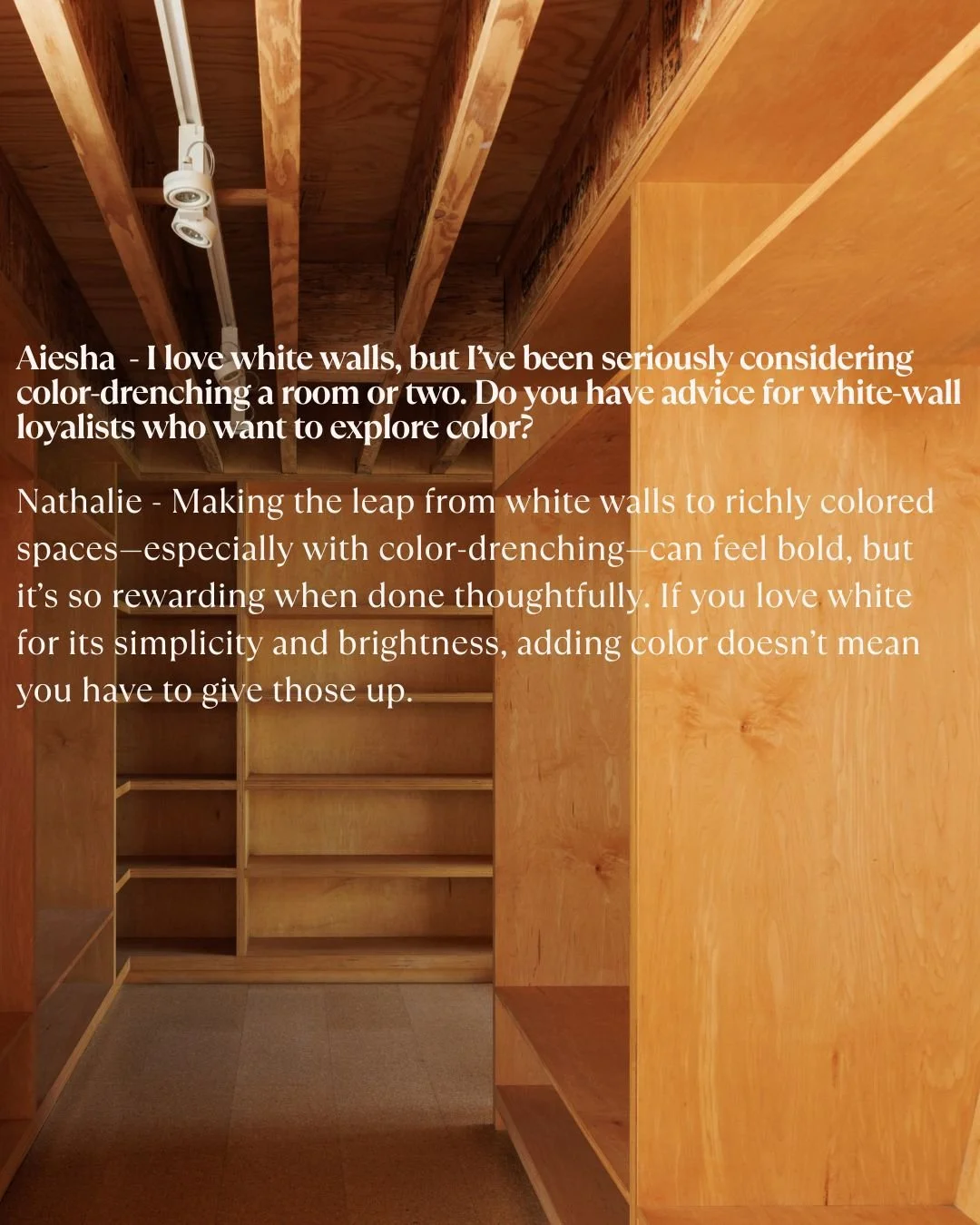
Nathalie - Color multiples in impact as it scales. What seems soft on a swatch can feel intense when it covers an entire room, especially in color-drenching where walls, trim, and even ceilings share the same or harmonized hues. Context is everything.
Begin by observing your space. How much natural light does it get? North-facing rooms cool colors, while south-facing rooms warm them. Artificial lighting also shifts perception depending on whether it leans warm, cool, or neutral.
If a color you love feels too bold, do not discard it, refine it.
Aiesha - You’re originally from New York and have lived in France and London. How does light and architecture affect color choices in Los Angeles compared to those places?
Nathalie - Geography plays a major role in how we experience color, and light quality is one of the most critical factors I consider when building a palette.
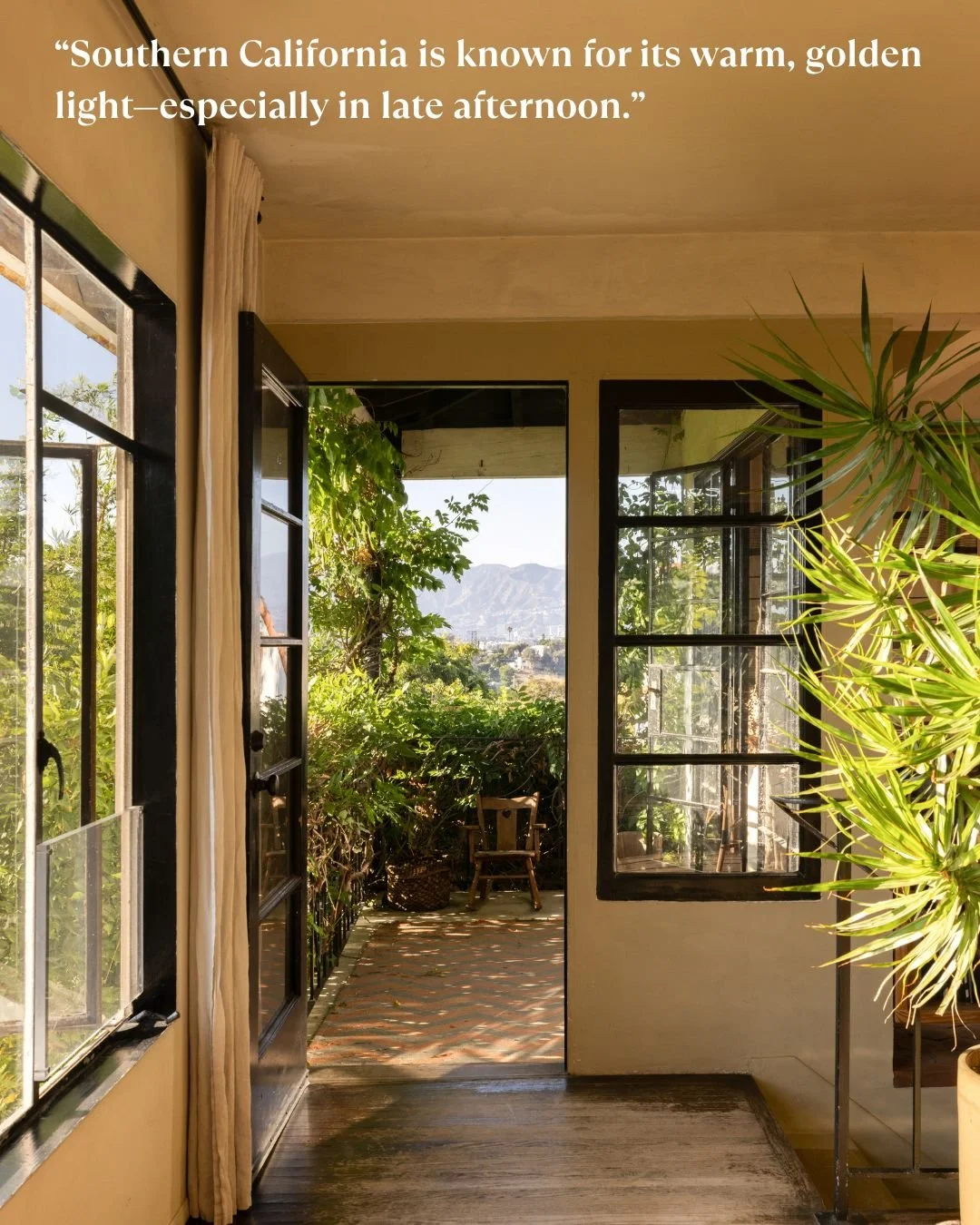
Southern California is known for its warm, golden light - especially in late afternoon. That kind of sunlight can make colors appear more saturated, sometimes even exaggerated. So, when I use bold hues here, the concern isn’t that they’ll feel flat - it’s that they might overwhelm or cause “color bounce,” where walls reflect more color into the space than expected.
In contrast, cities like New York, Paris, or London tend to have cooler, diffused light due to weather and seasonal grayness. In those environments, colors read more subdued, even moody. Richer tones feel cozy rather than loud. The concern there is usually about making sure a space doesn’t feel too dim or cold.
What feels romantic in a London flat might feel garish in a California bungalow, simply because of the surrounding light and architecture. The same red may feel warm and elegant in one setting - and jarring in another.
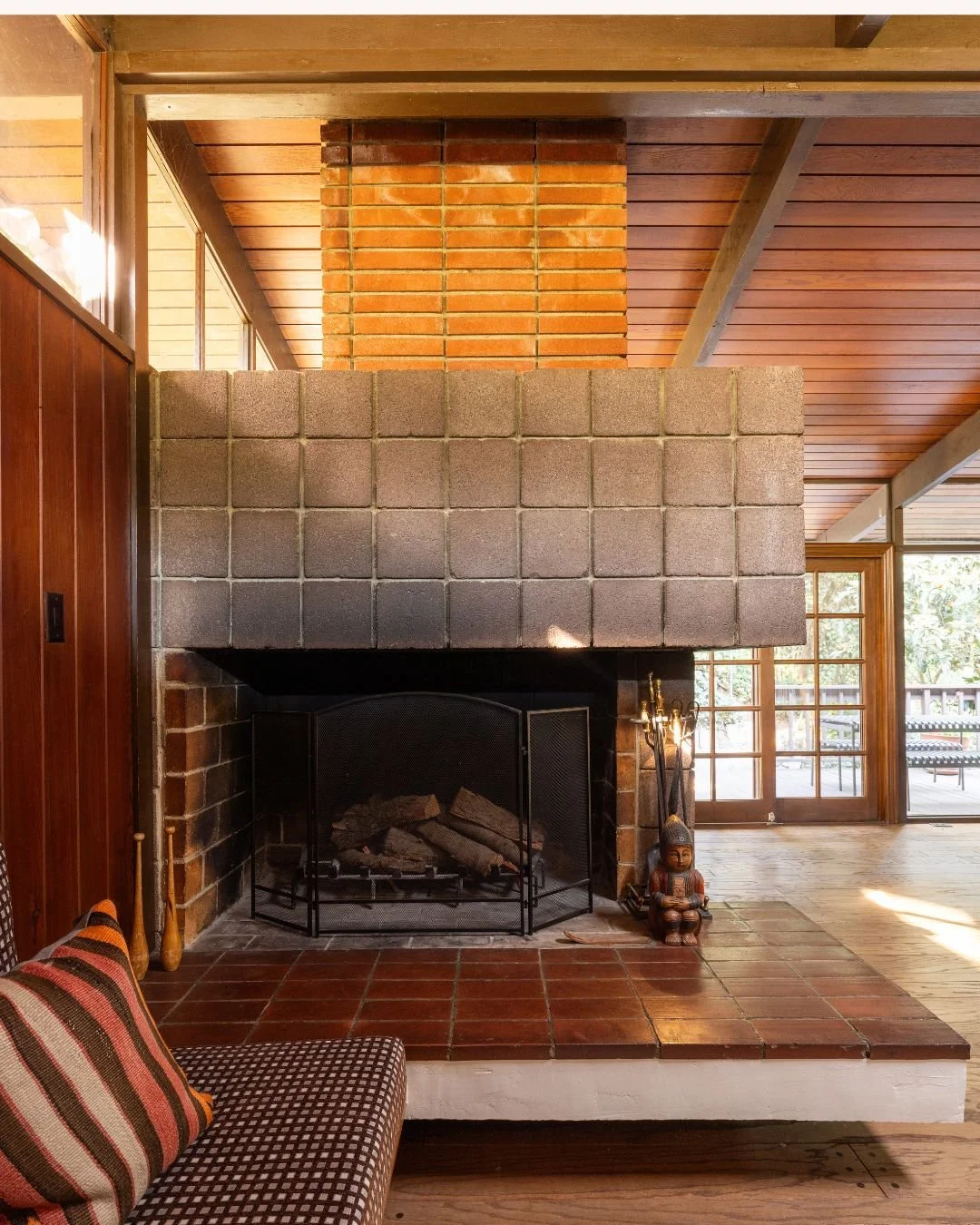
Aiesha - For someone just beginning a renovation or new build, what’s a smart first step when it comes to color?
Nathalie - Start with a feeling. Ask: How do I want this space to make me feel? Calm and serene? Bright and energized? Cozy and nostalgic? Once you have that, start collecting references - photos, textiles, film stills. I often suggest clients think about movie interiors they love. Take Nancy Meyers’ films- those spaces feel effortlessly homey, with soft tones and natural light. They tell a story of comfort.
In set design, we’ve built entire worlds around emotional tone. When I worked on Interview with the Vampire, the palette was all deep merlots, crimsons, and rusts - colors that supported the story. It’s no different with homes. Color sets the emotional tone. Used with intention, it creates atmosphere and cohesion. That’s what I help clients discover.


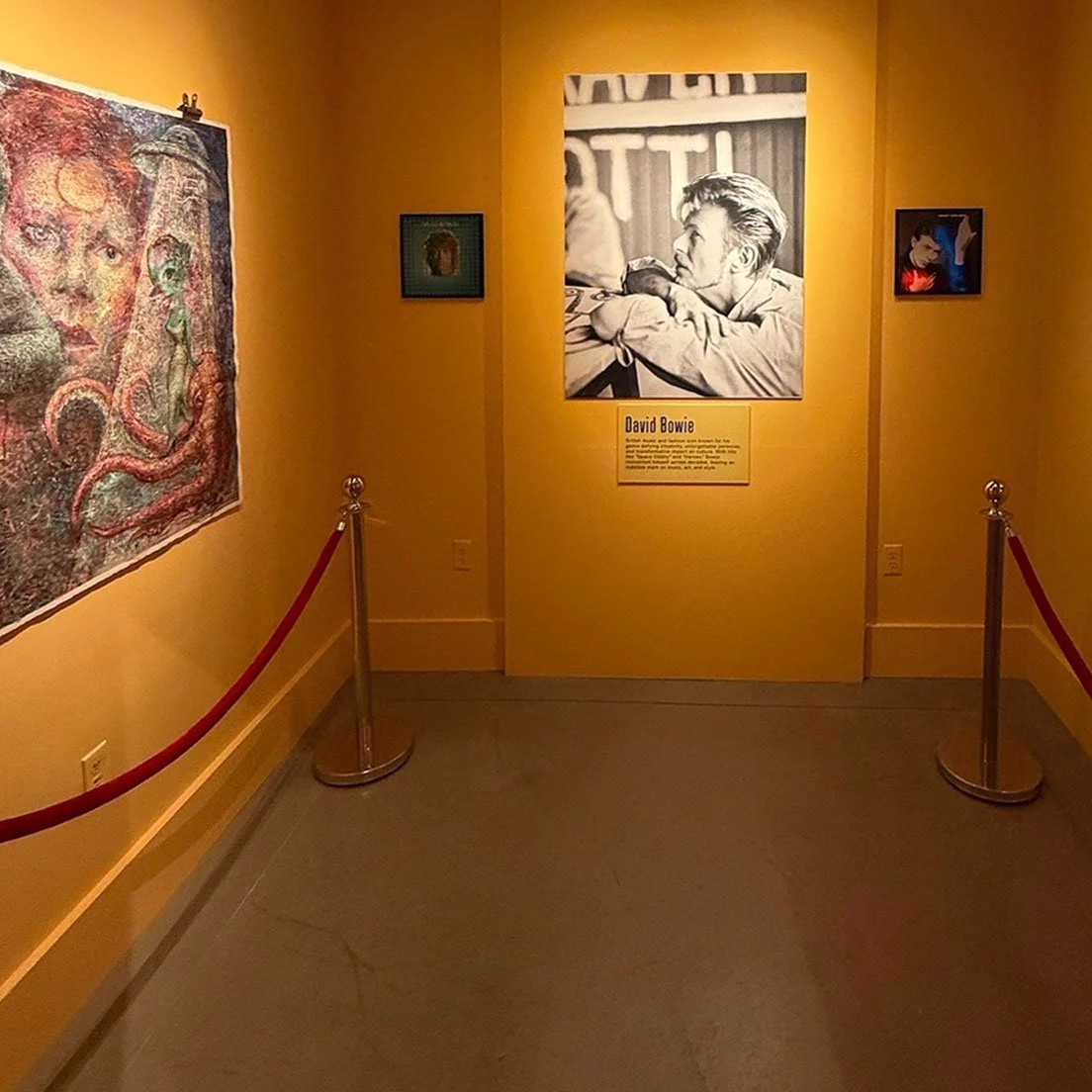
Celebrating Bowie: My Piece in the Santa Monica Art Museum Exhibition
My Mixed Media Piece at The Santa Monica Art Museum
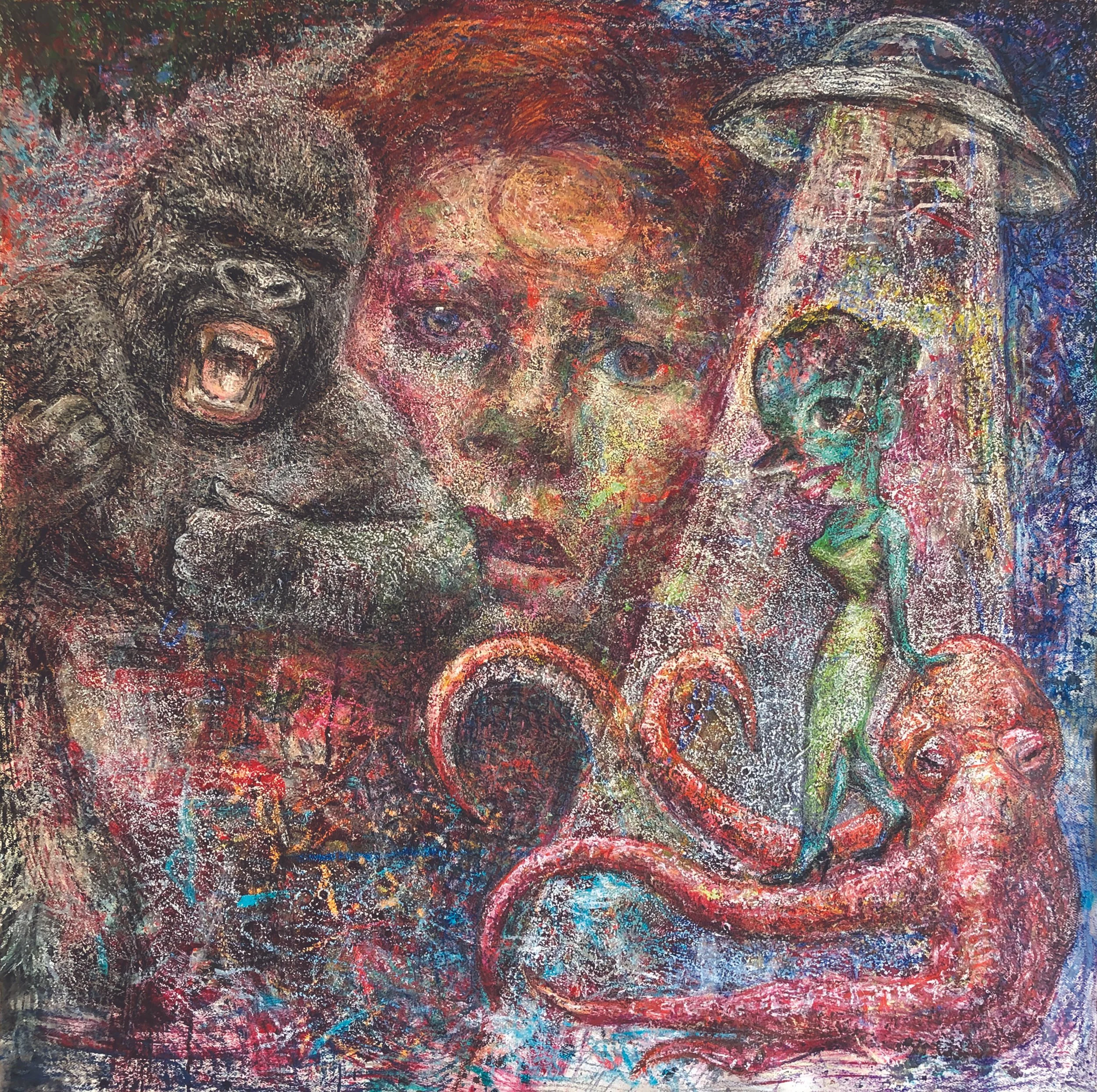
I still catch my breath recalling the moment I learned that my mixed-media piece, Ziggy and my Favorite Extraterrestrials, had been accepted into A Day with David Bowie—an exhibition now extended through September 28 at the Santa Monica Art Museum. It’s an honor that feels like a shimmering echo of the very spirit that inspired the work.
At the heart of the exhibition is a serene, almost meditative showcase of rarely seen black-and-white photographs by Austrian photographer Christine de Grancy, capturing David Bowie’s 1994 visit to the Art Brut Center in Gugging. These images are not of the glam-era Bowie or the theatrical alien rock star. They show something quieter and more intimate: Bowie seated on a lawn, cigarette in hand, enveloped in dusk, deeply present and reflective. This is the Bowie who leans in close, who listens, who allows himself to be moved by the work of others. That quiet openness is what makes the setting so soulful—and what makes this exhibition feel so personal.
My piece, “Ziggy and My Favorite Extraterrestrials,” riffs on the mythology of Bowie’s iconic character but pushes beyond the Ziggy archetype into a kind of cosmic language—part mythology, part inner theater. It’s about transformation, reinvention, and letting the strange and beautiful lead the way. To have that work hanging within an exhibit that so thoughtfully honors Bowie’s own openness to the outsider, the uncanny, and the deeply human is more than just a professional milestone—it’s a kind of artistic alignment.
Originally scheduled for a shorter run, the show has now been extended—twice—into late September. I’m beyond grateful that my work gets to be part of this moment, part of this conversation, and part of the quiet magic this show seems to offer.
When you visit, you’ll encounter a Bowie that feels deeply human—no glitter, no stadiums—just a man in black and white, captured by a sensitive lens. The layout of the space breathes, allowing the photographs—and any work displayed alongside them—to land with clarity. There’s also a beautifully curated companion exhibition, Spectacle, featuring 60 large-scale photographs from National Geographic, running concurrently and also extended through September. It’s a show that invites contemplation and also rewards curiosity.
The Santa Monica Art Museum is open Wednesday through Friday, 12–8 p.m., and weekends from 10 a.m.–8 p.m. It’s wheelchair accessible, and they also offer private visits, making it an inviting experience for all kinds of visitors.
I hope you’ll make time to see it. And if you do stop by, I hope you find a little piece of stardust—Bowie’s or mine—that stays with you.

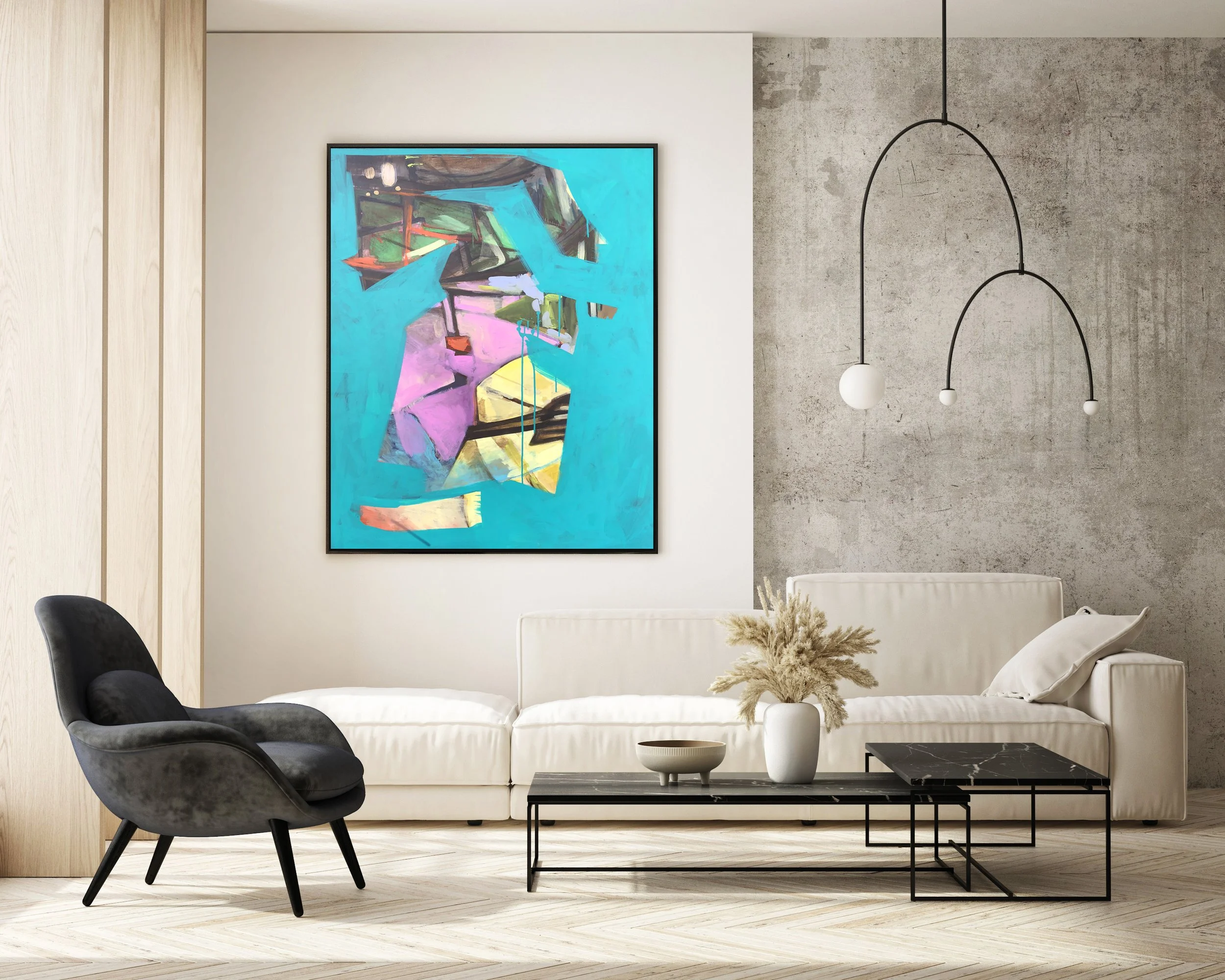
Thinking of Selling Your Home? Don't Neutralize it into Oblivion
How to strategically prepare a house for market, avoiding the misuse of neutrals that can make a home bland instead of memorable.
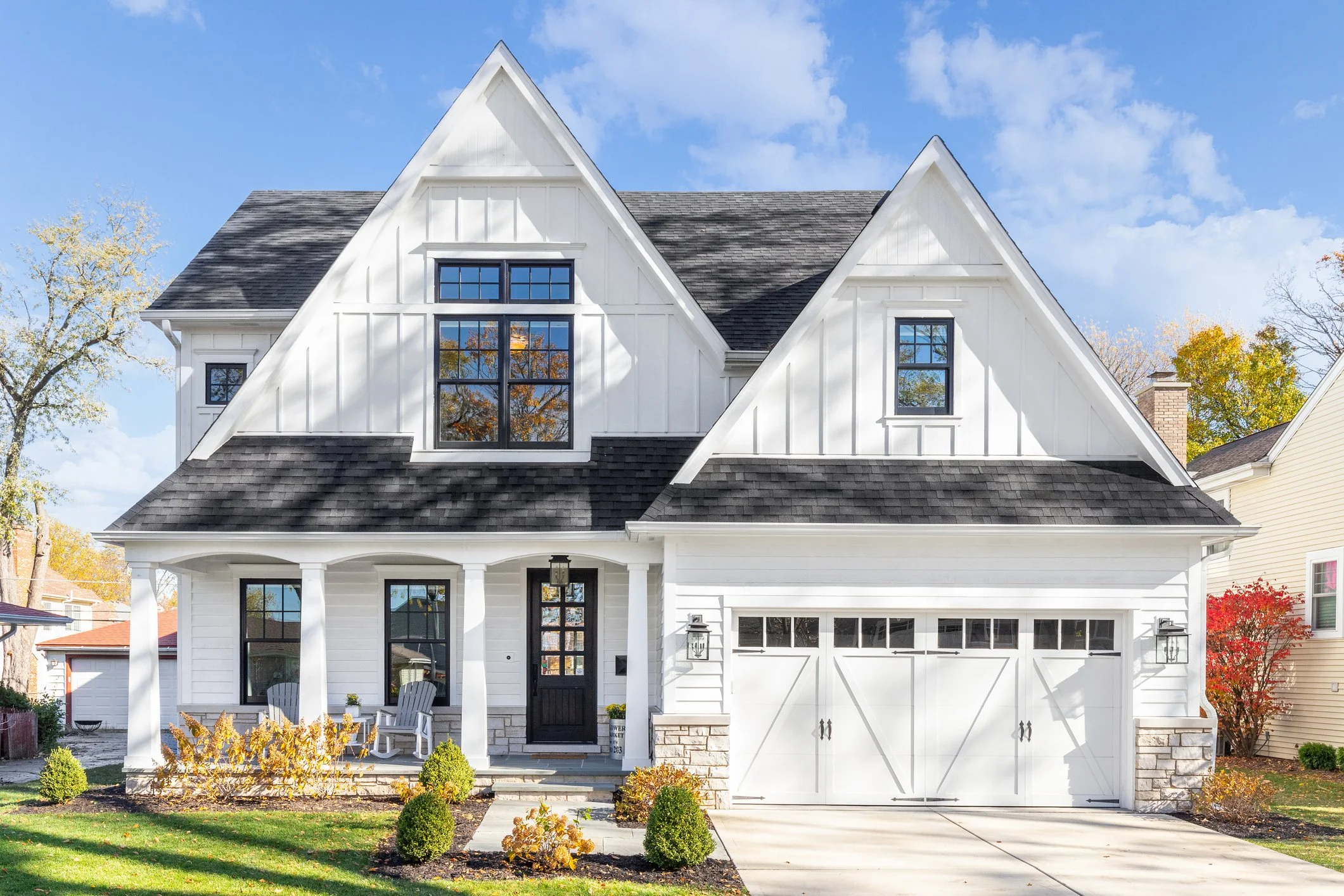
If you’re planning to sell your home, you've probably been told to strip it of personality, making everything neutral to help potential buyers envision themselves living there. While this advice may sound practical, it’s actually one of the worst things you can do. The truth is that only a handful of people can visualize a space’s potential, and even fewer can see it as an appealing, well-designed home. When you remove all character from a home, you risk making it forgettable, especially in areas where houses share similar designs and floor plans. Here’s why you should rethink the neutral approach and infuse your home with thoughtful design elements.
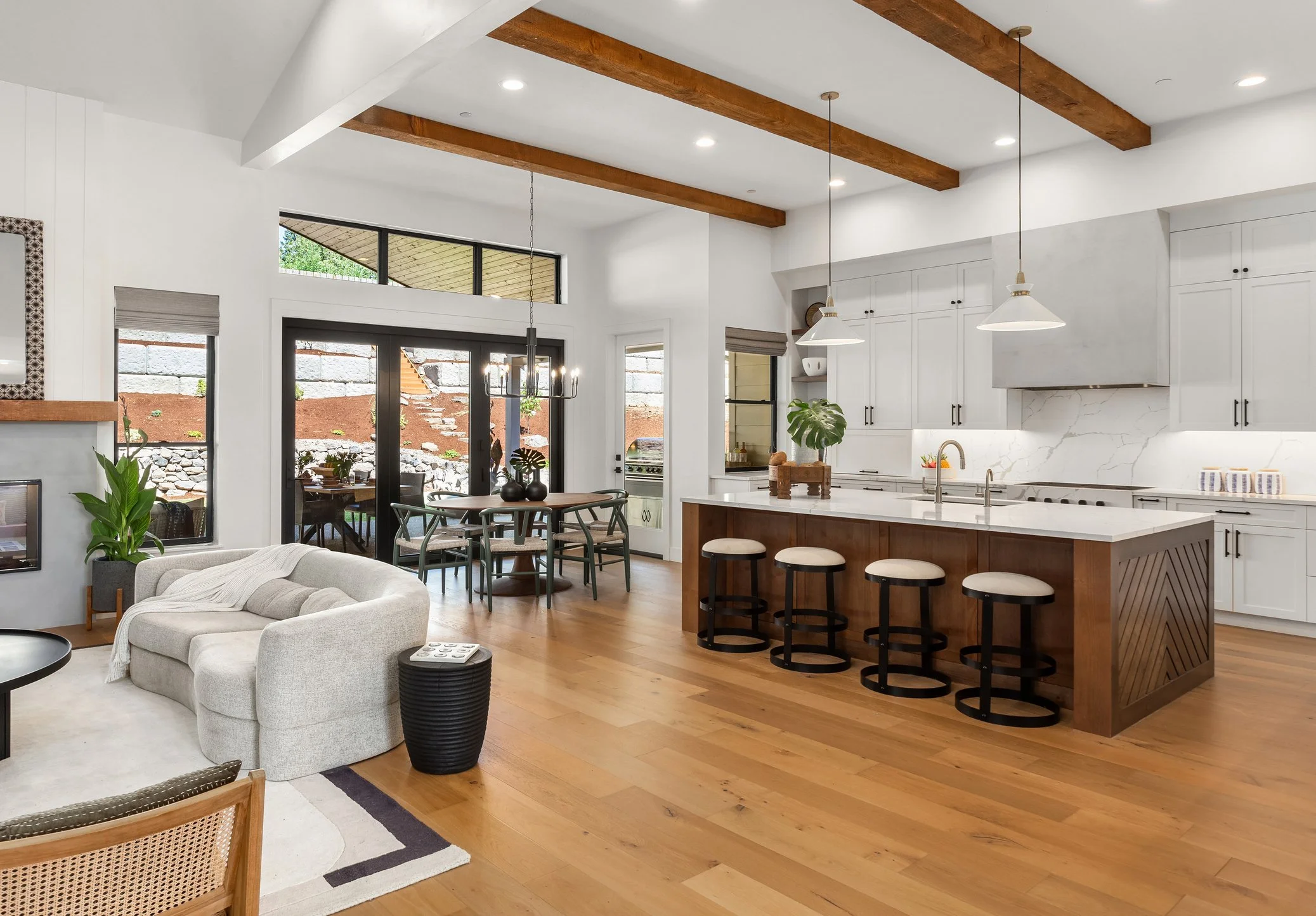
Neutrals done correctly for impact, style and warmth
Why Neutrals Aren’t Always the Answer One common mistake is creating a tone-on-tone palette—think tan on tan or, even worse, gray on gray. Such uniformity gives the eye nowhere to rest and blends the space into a bland, indistinct blur. Buyers browsing online listings will likely scroll past your home, forgetting it instantly. Instead, aim to include a mix of light and dark elements that catch the eye and create memorable impressions. For those who prefer neutral walls, adding a bit of black in each room can help anchor the space and provide visual interest. Among neutral shades, white walls are a better choice over tan or gray. However, be mindful to select the right shade of white—not too warm or cold—to keep the space inviting and contemporary.
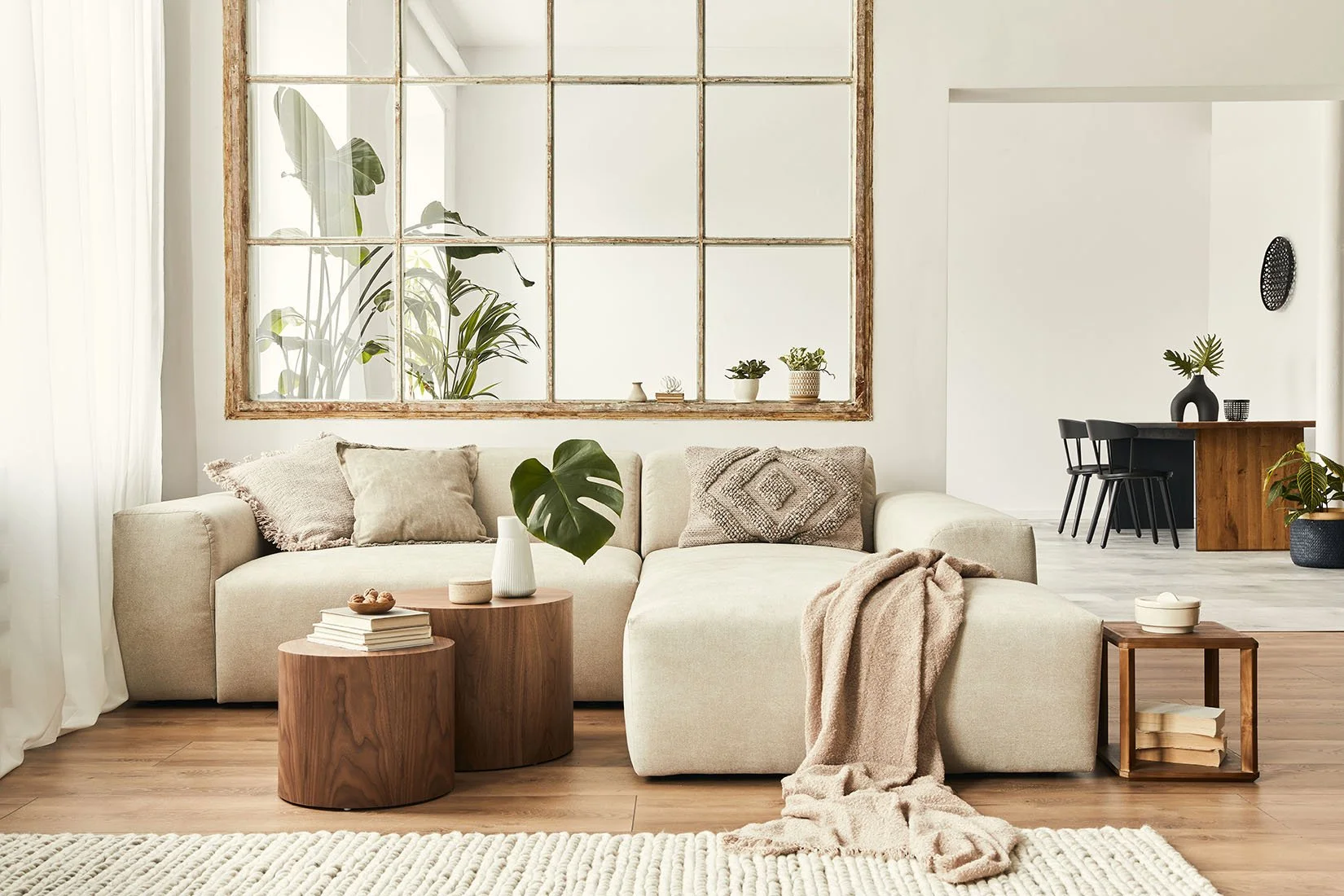
Using different textures creates visual excitement in a restrained palette
The Texture Rule To make your home stand out, incorporate at least seven different textures. Textures can include materials like wood, marble, leather, and patterned fabrics—everything from the walls to the furniture and drapery counts. A well-designed room that feels cohesive and attractive often features a variety of textures that appeal to the senses. Most people may be unable to articulate why they love a particular design, but they know it when they see it. A home that’s already well-designed or offers a template that buyers can easily replicate often sells for a premium.
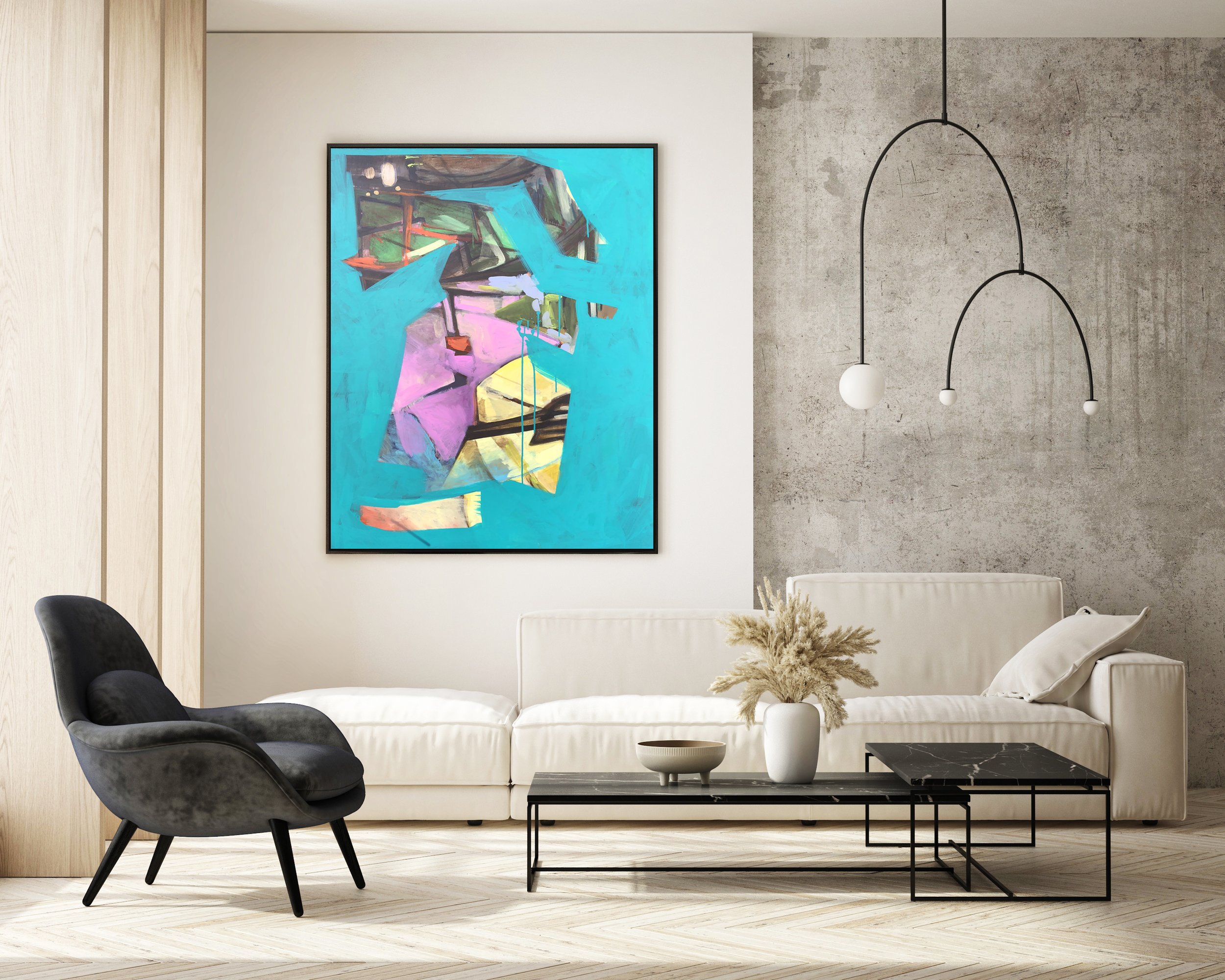
Artwork View From a Bridge ©2019 Nathalie Tierce Private Collection
Balance the Proportions of Elements
Achieving a balanced proportion of elements in your living space can significantly enhance its coziness. For instance, the overwhelming presence of a large white wall can be softened by incorporating a series of shapes in mid-tone or dark tones. Here are a few ideas:
Artwork and Wall Hangings: Hang a series of framed prints, paintings, or photographs to break up the expanse of the wall. Choose pieces with mid-tone or dark backgrounds to create a balanced contrast with the white wall.
Accent Walls: Consider painting a portion of the wall in a darker color or using wallpaper with a subtle pattern to add depth and interest without overpowering the space.
Shelving and Decor: Install floating shelves and decorate them with books, plants, and decorative objects in varying tones. This not only breaks up the wall visually but also adds a functional and aesthetic element to the room.
By thoughtfully balancing the proportions of elements in your living space, you can create a harmonious and inviting environment that feels both cozy and well-designed.
Invest in Professional Help Most real estate agents lack a background in interior design, so their advice to neutralize may not serve your best interests. Instead, consider hiring a color consultant, interior designer, or professional stager to create a memorable, well-designed space that captivates potential buyers. By doing so, you’re not just selling a house; you’re offering a lifestyle they can’t resist. The investment in expert guidance can make a significant difference in how quickly your home sells and the price it fetches.
Why Hire a Color Consultant?
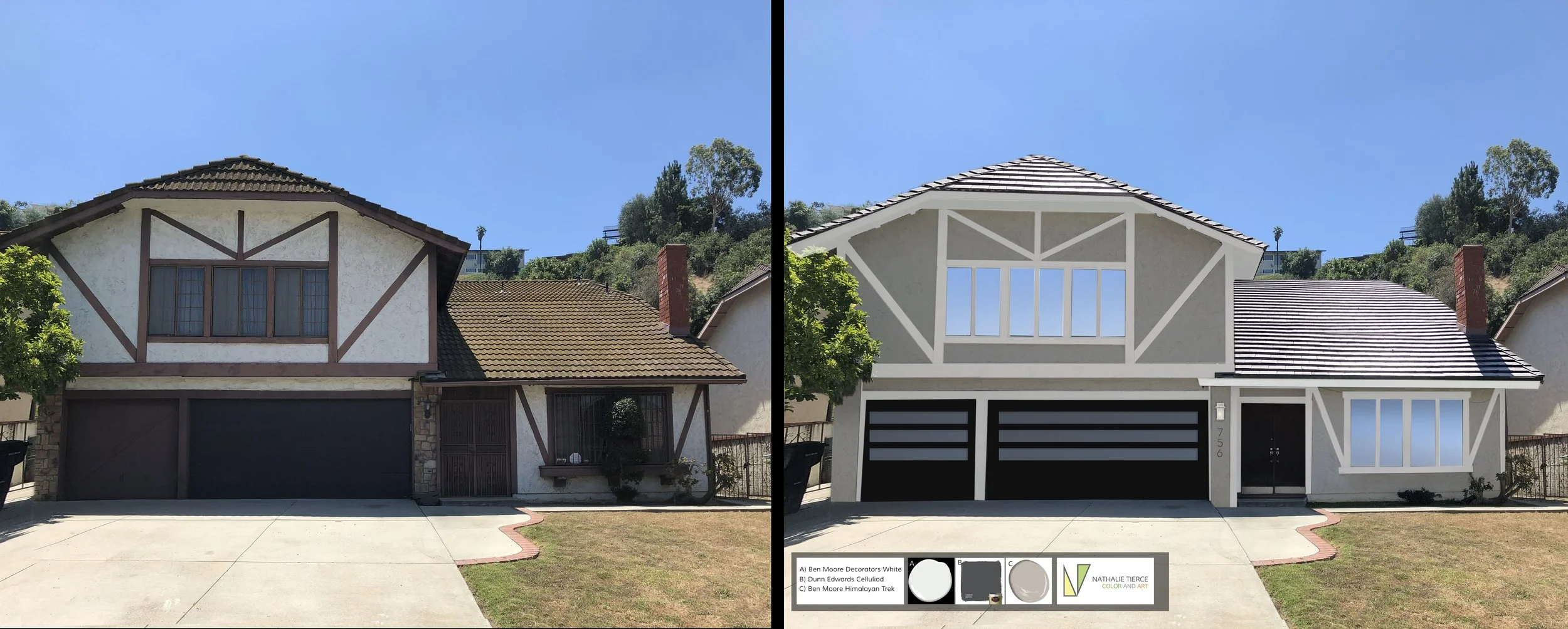
Imagine stepping outside your home to be greeted by a facade that reflects your style and captures the attention of everyone who passes by. That's the power of hiring a color consultant for your exterior painting project.
As an experienced artist and designer, I understand that every space is unique, just like every homeowner's vision. That's why I take the time to collaborate closely with our clients, ensuring that the color scheme we create reflects their personality, brand, or desired ambiance.
With our finger on the pulse of current and emerging color trends, I guarantee that your home will stand out from the rest. From timeless choices to innovative options, I’ll guide you through selections that keep your property fresh and modern. But it's not just about aesthetics; it's also about value. Well-executed color choices can significantly enhance the value of your property, whether you're looking to sell or want to create a welcoming atmosphere for your guests or customers.
By investing in a color consultation, you're not just saving money; you're also saving time and energy. Our streamlined process prevents costly mistakes and ensures a harmonious color palette that aligns perfectly with your vision.
At Custom Color and Art, we're not just about painting houses. We're about transforming architectural spaces into captivating works of art. And it all starts with colors that radiate brilliance and sophistication. Let us help you make your home the envy of the neighborhood.
Rites of Passage
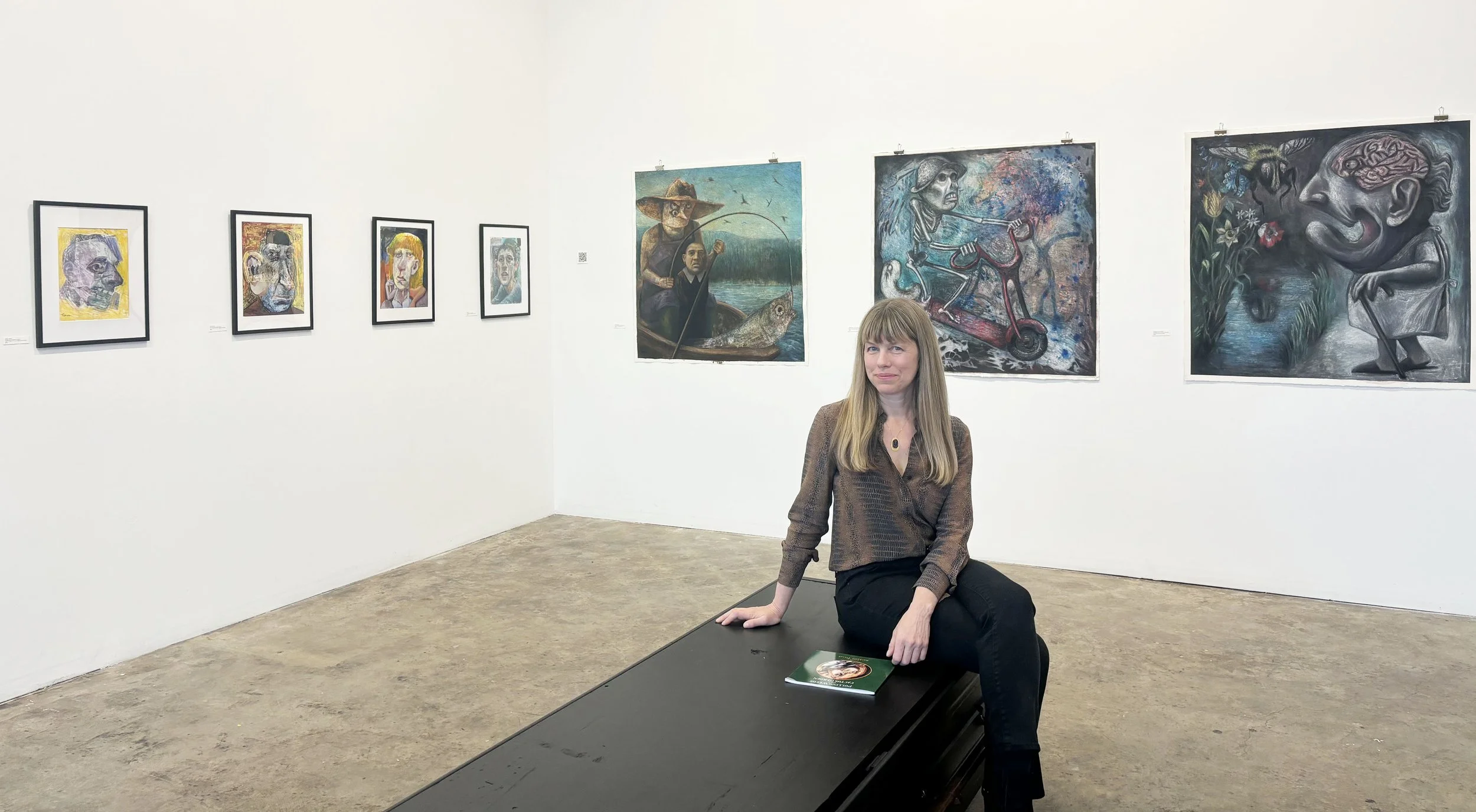
A collection of my works on paper, “Rites of Passage,” opened on March 22 at Studio DDLA. The exhibition delves into the states of identity that define our lives.
What made the opening unforgettable was conversing with visitors, hearing their interpretations, and witnessing their emotional responses to my work.
Some shared personal anecdotes that resonated deeply with the themes I explored, while others offered perspectives that opened new vistas of understanding.
One particular encounter stands out in my memory—a woman spoke to me of how one of my pieces, depicting a figure in a hospital gown, made her think of her mother, who had had Alzheimer's.
Studio DDLA provided a platform for my work to be seen and a sanctuary for dialogue, introspection, and connection. The exhibit is open by appointment and runs until the 19th of April.
The closing party is on April 19th from 5 pm to 9 pm at 944 Chung King Road, Los Angeles, CA
Studio DDLA provides a community, gallery, and event space to explore death, grief, life, and loss in collaboration with local doulas, artists, healers, and community members.
In addition to rotating art exhibitions, Studio DDLA hosts an array of DDLA and external programming. Our interactive workshops and educational offerings cover topics like end-of-life planning, art therapy, grief support, living funerals, and somatic and movement work.
Trust Your Gut
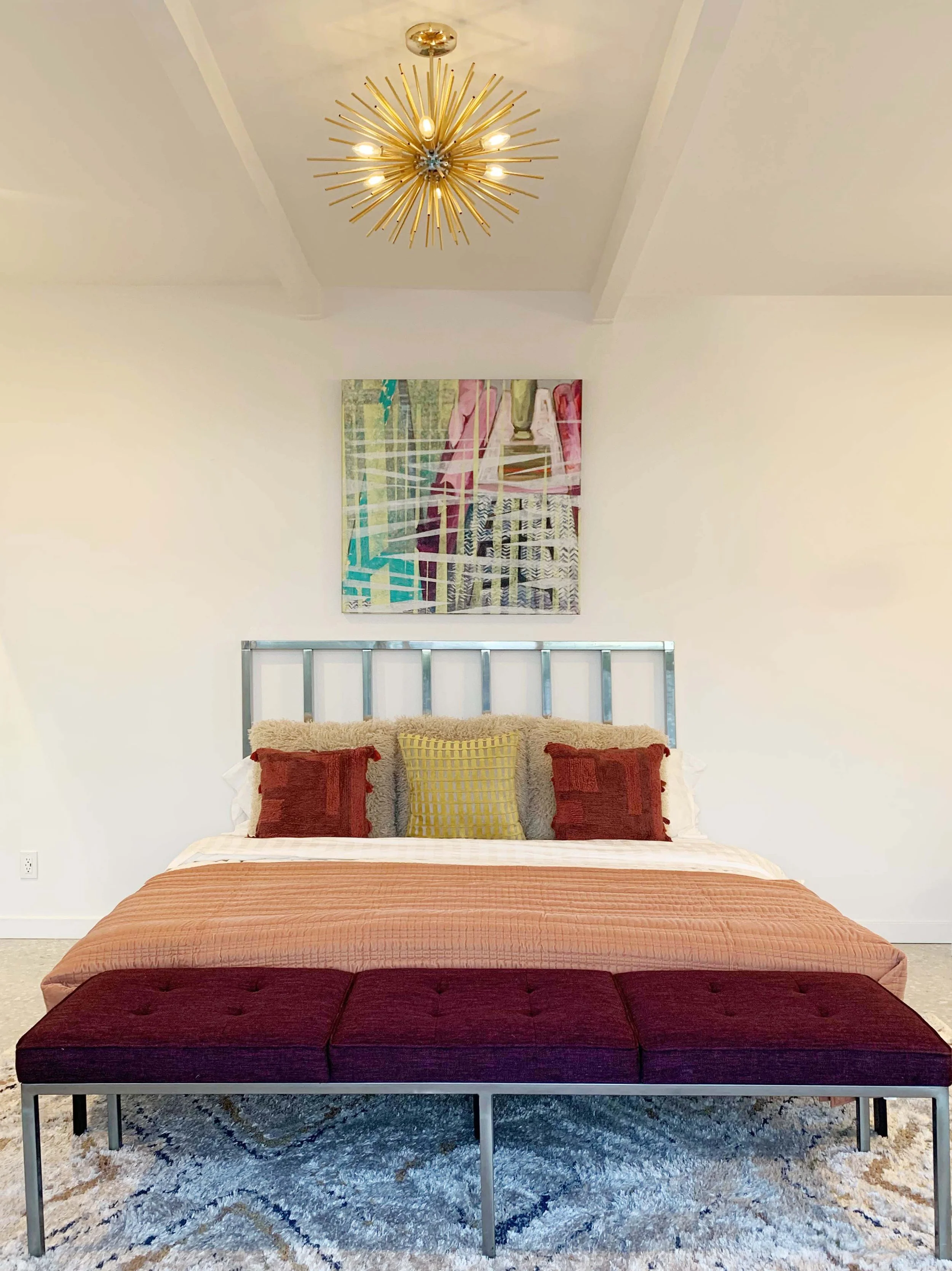
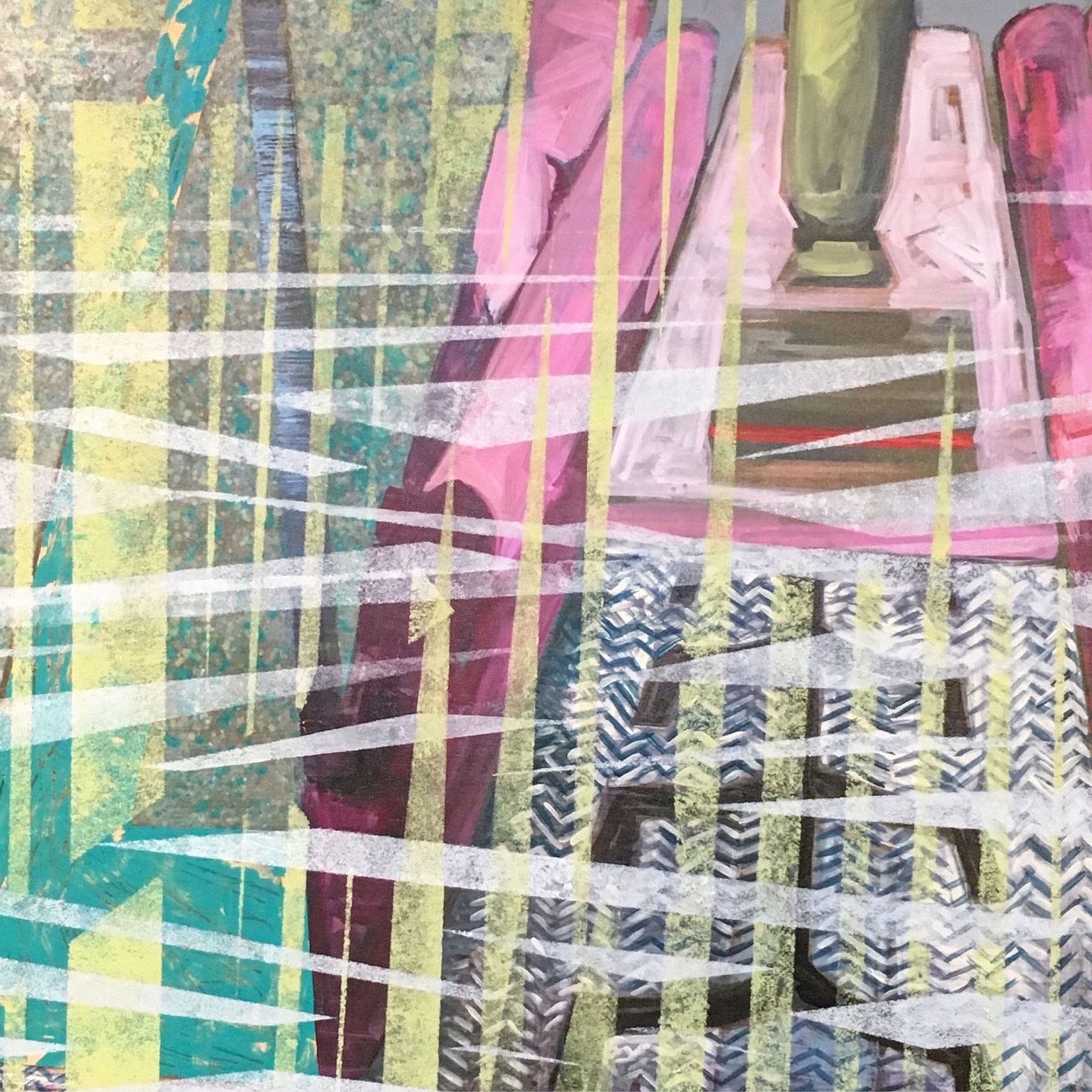
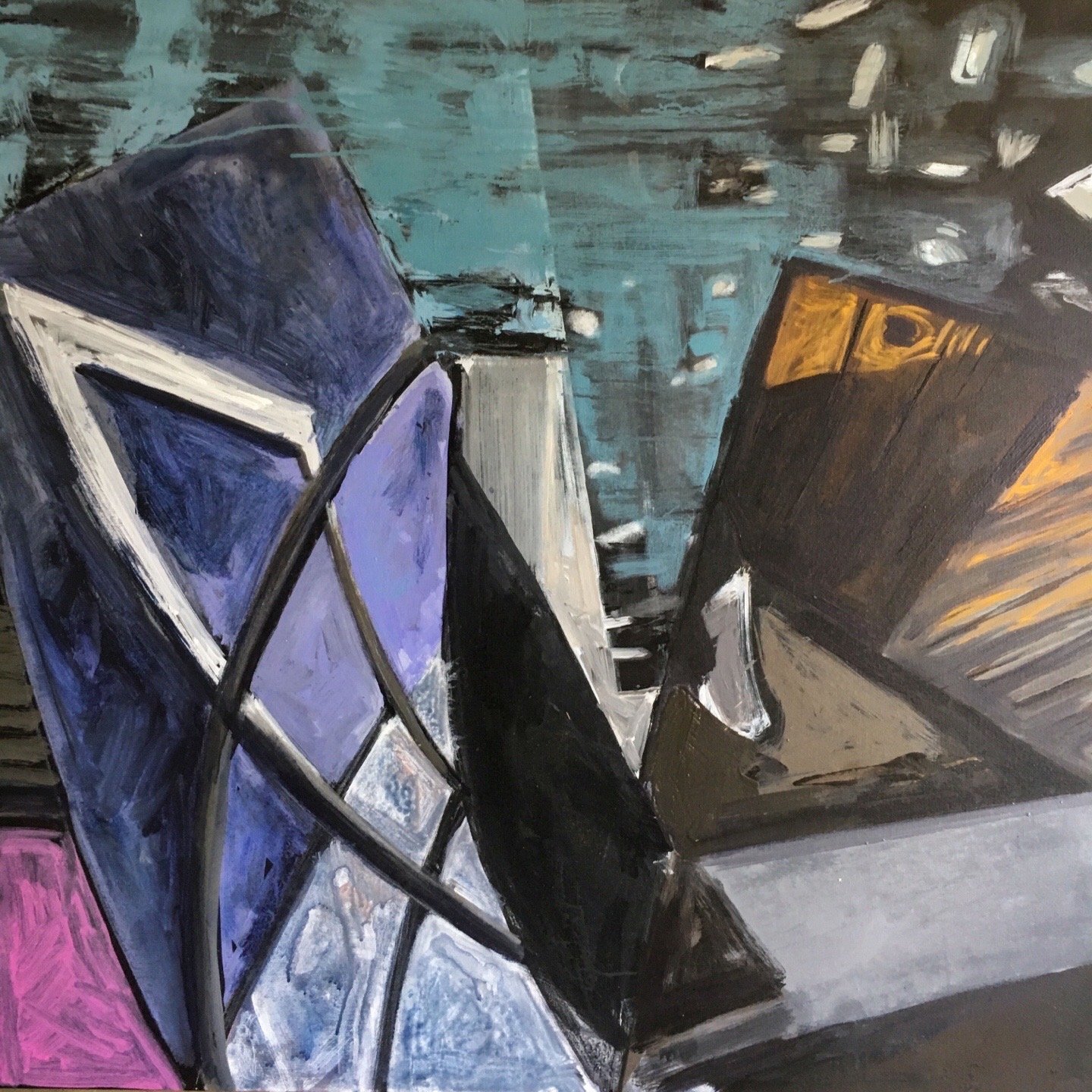
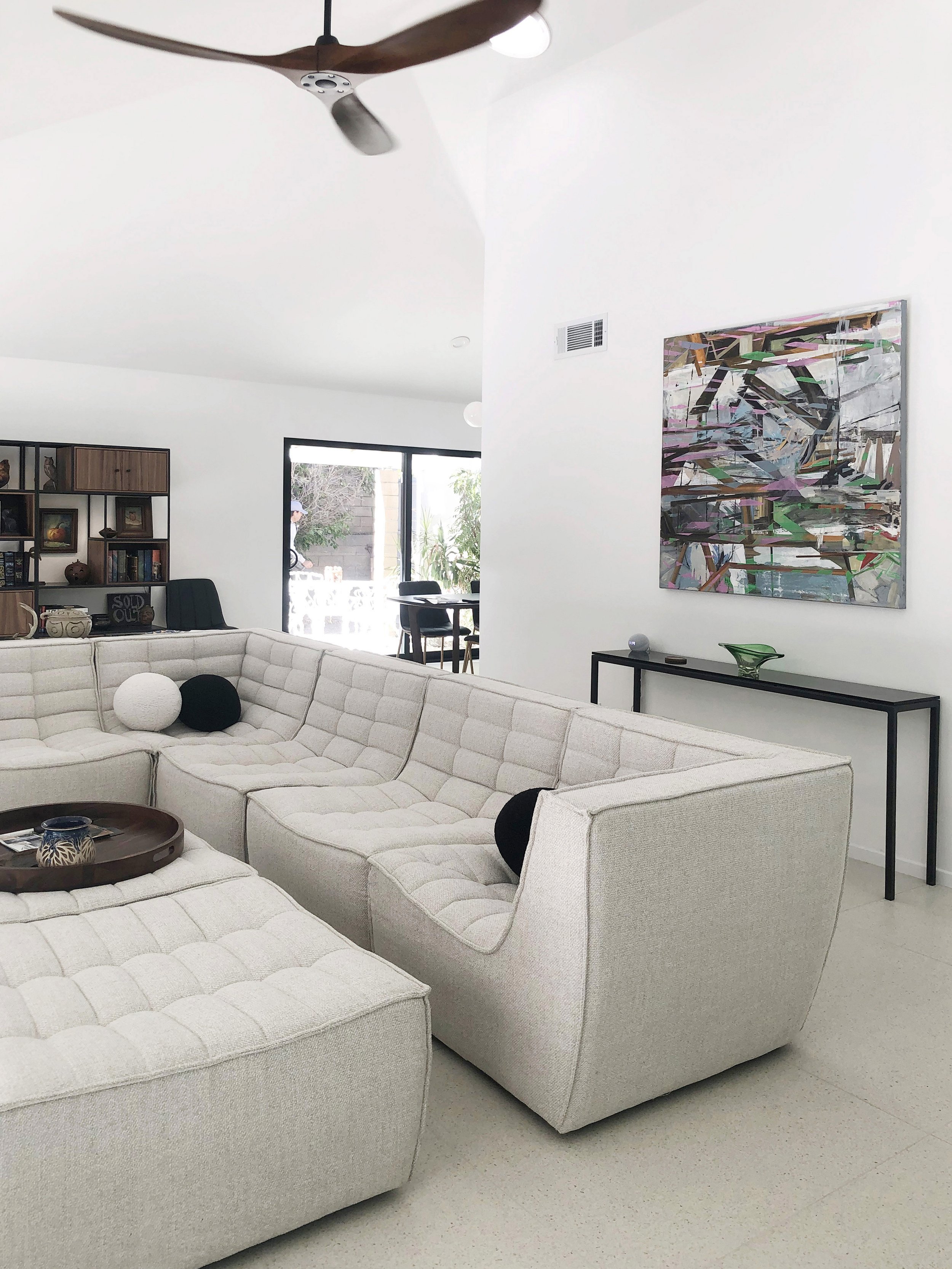
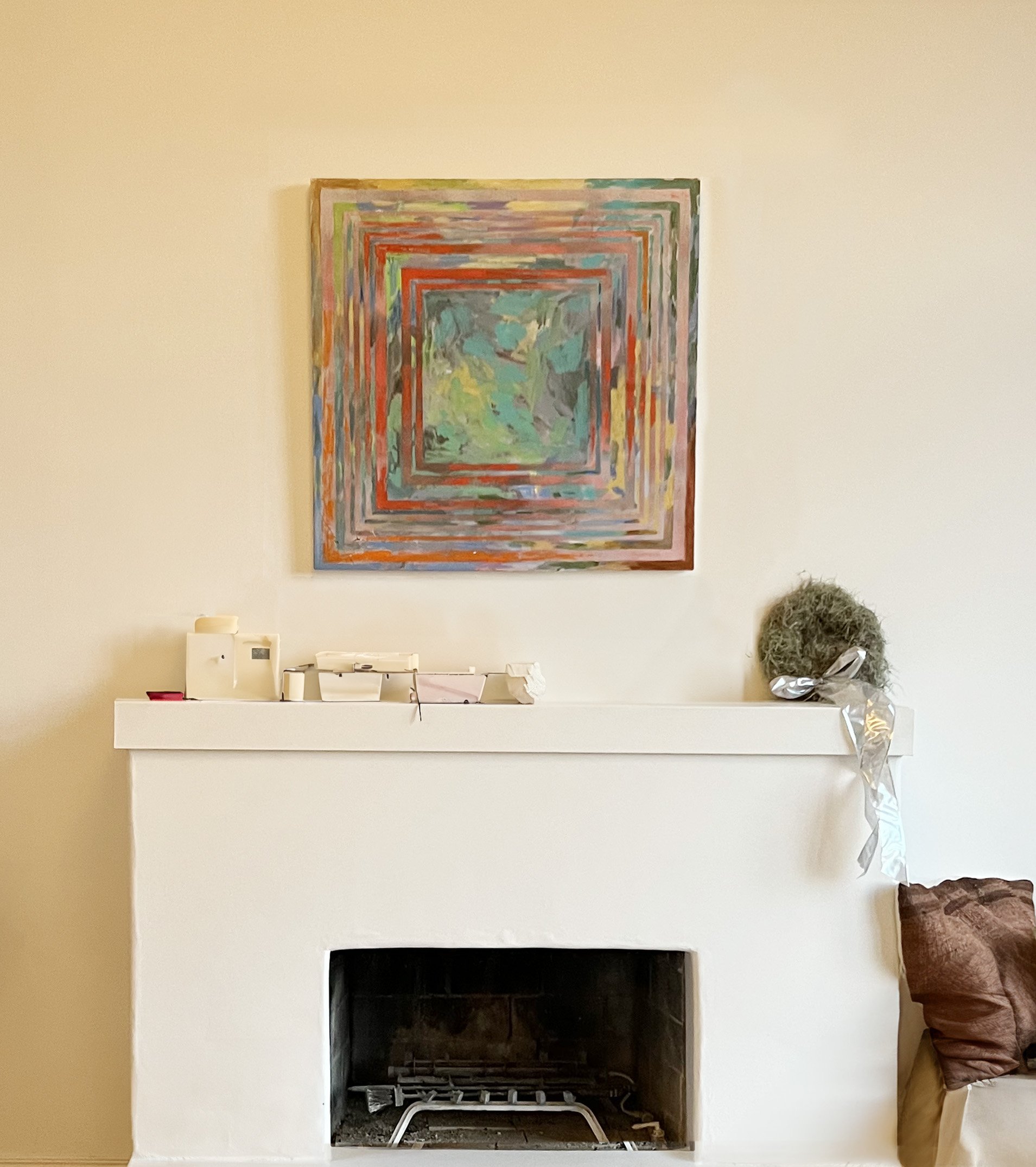
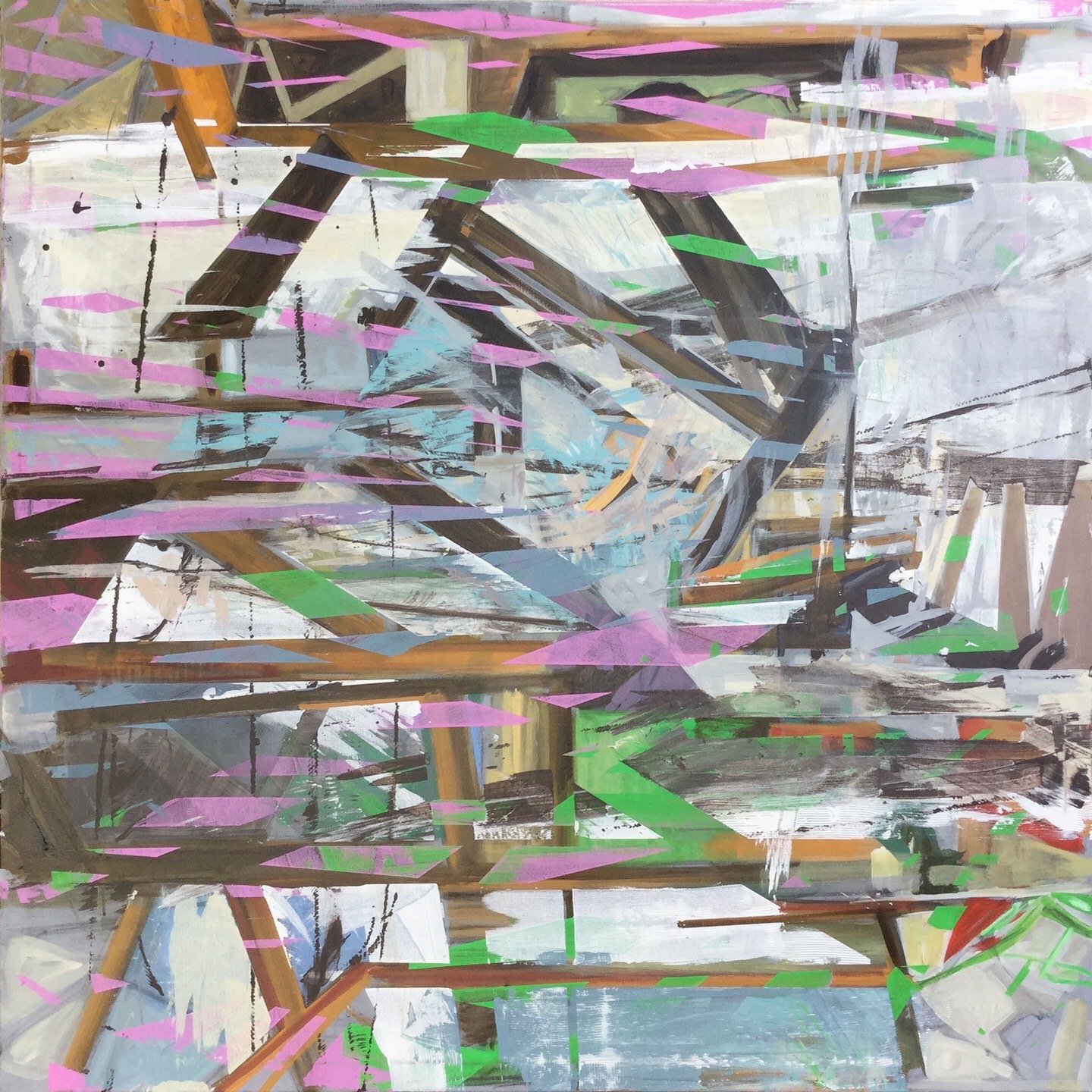
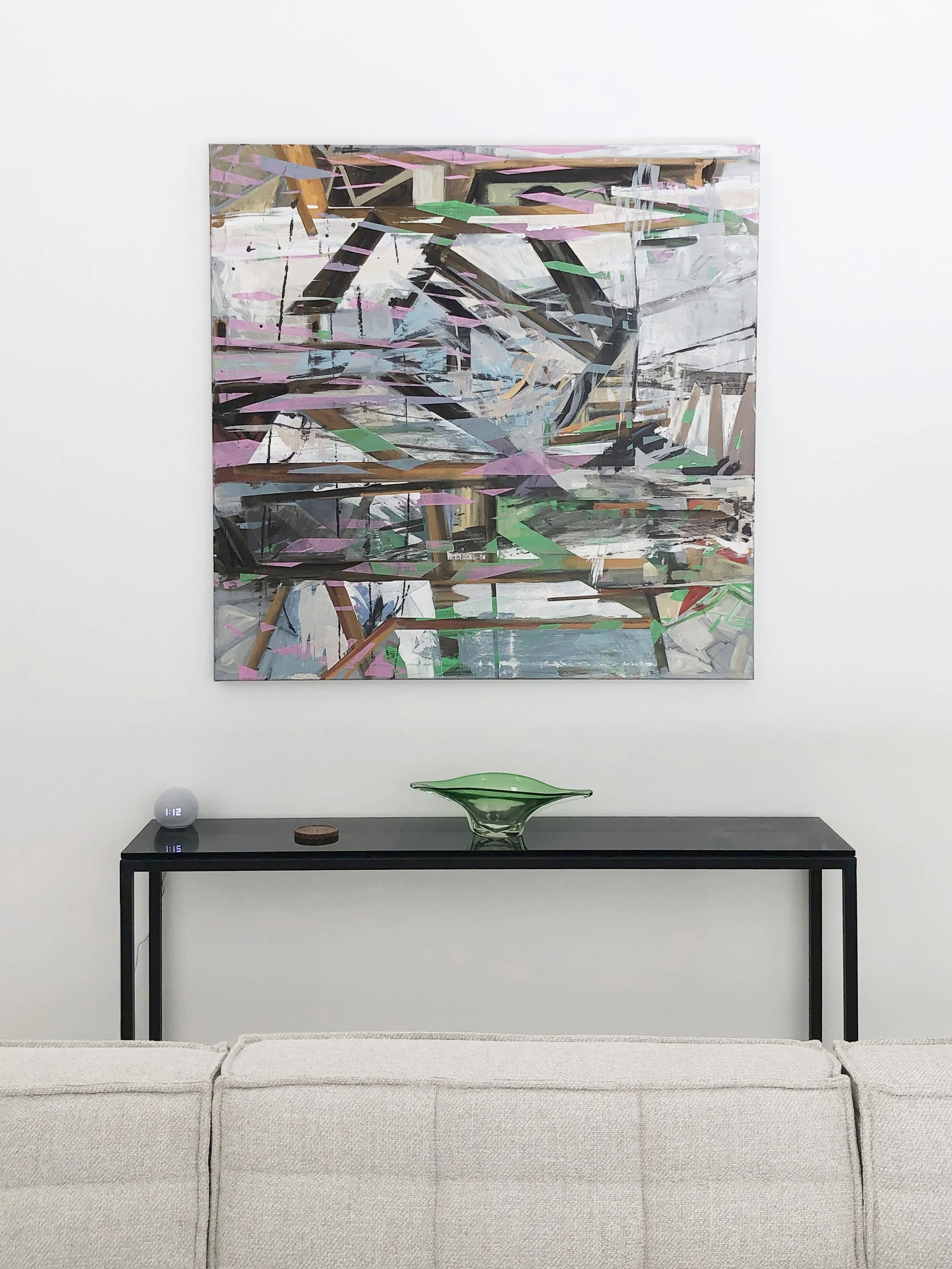

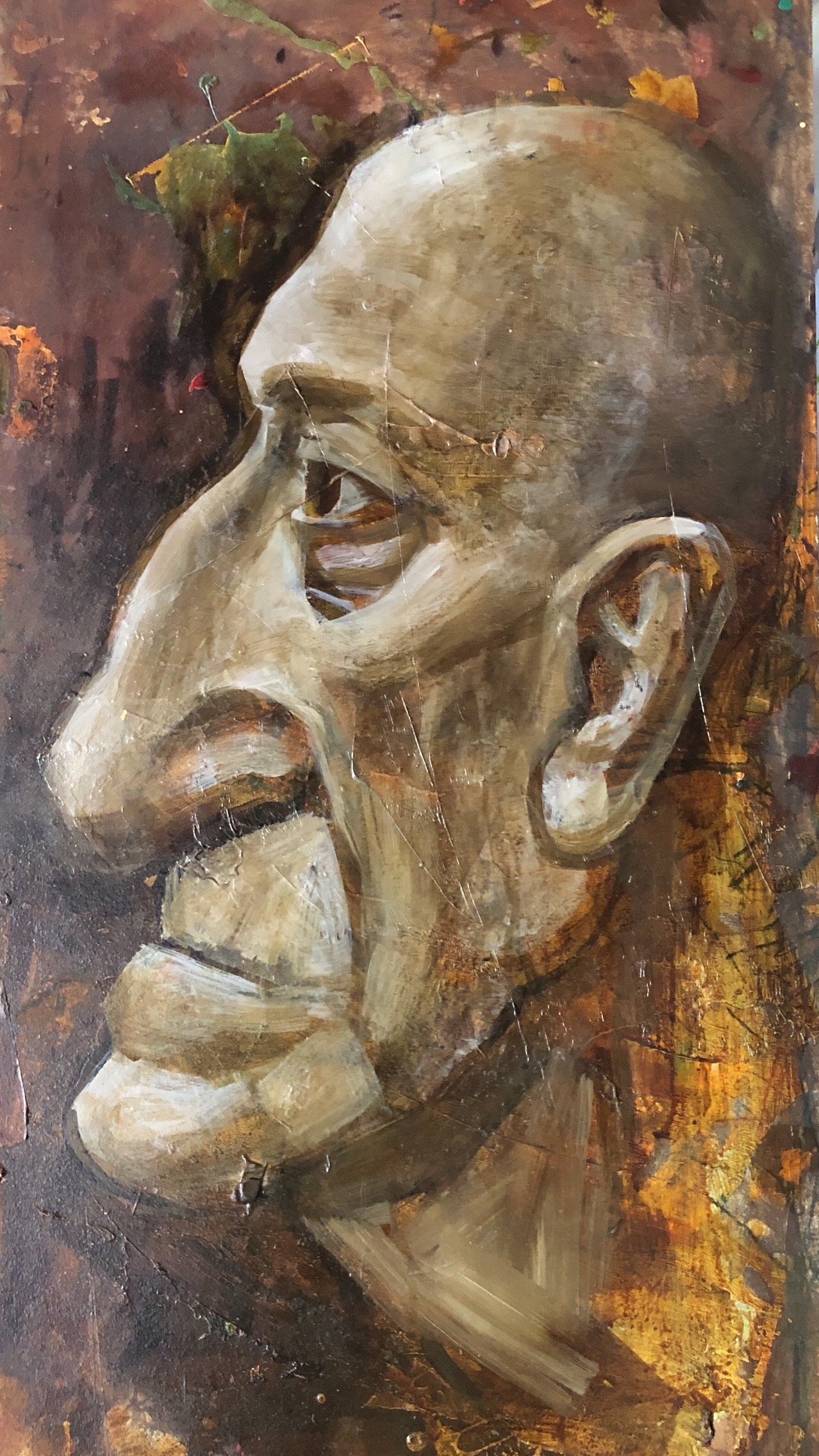
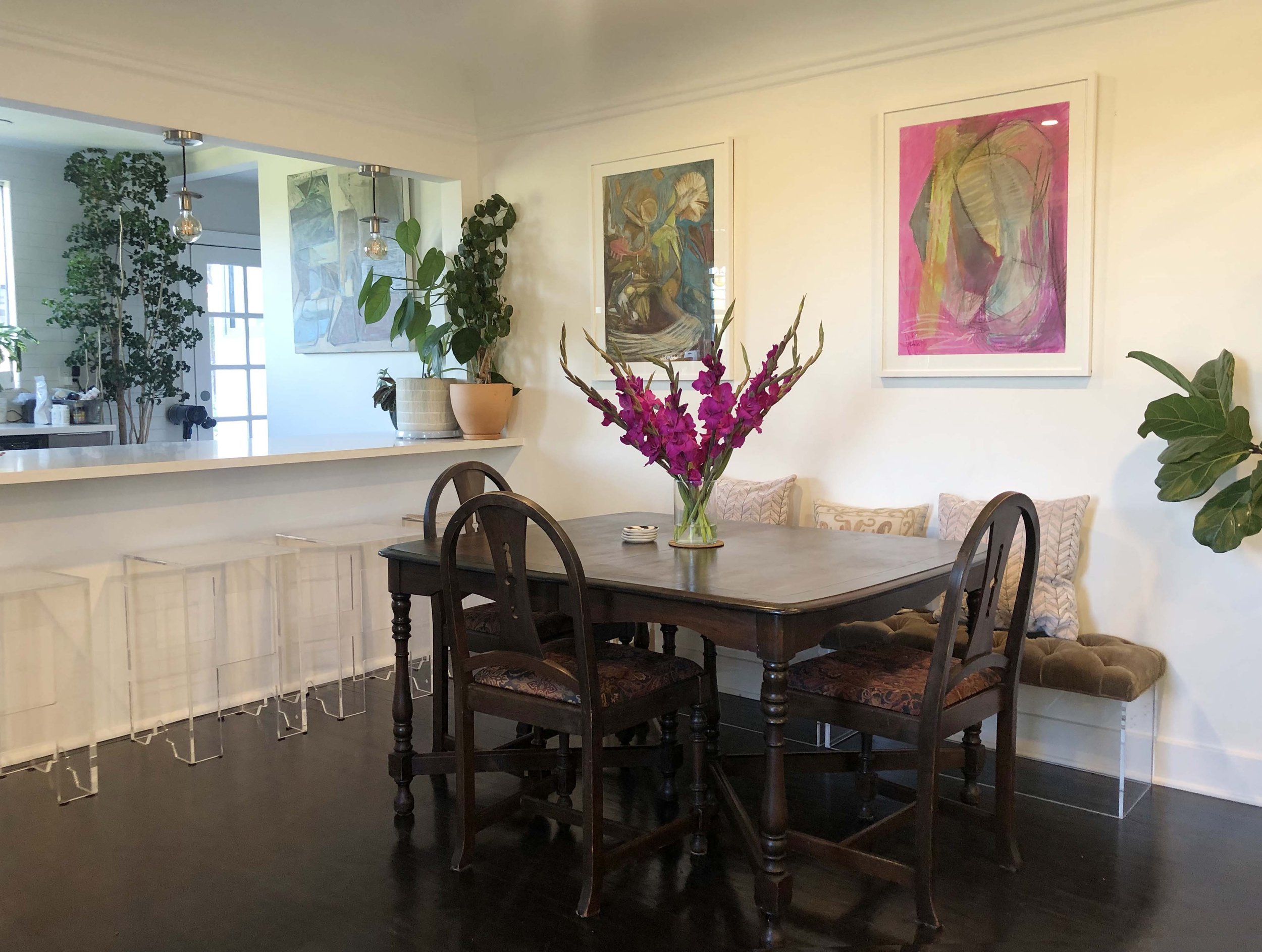
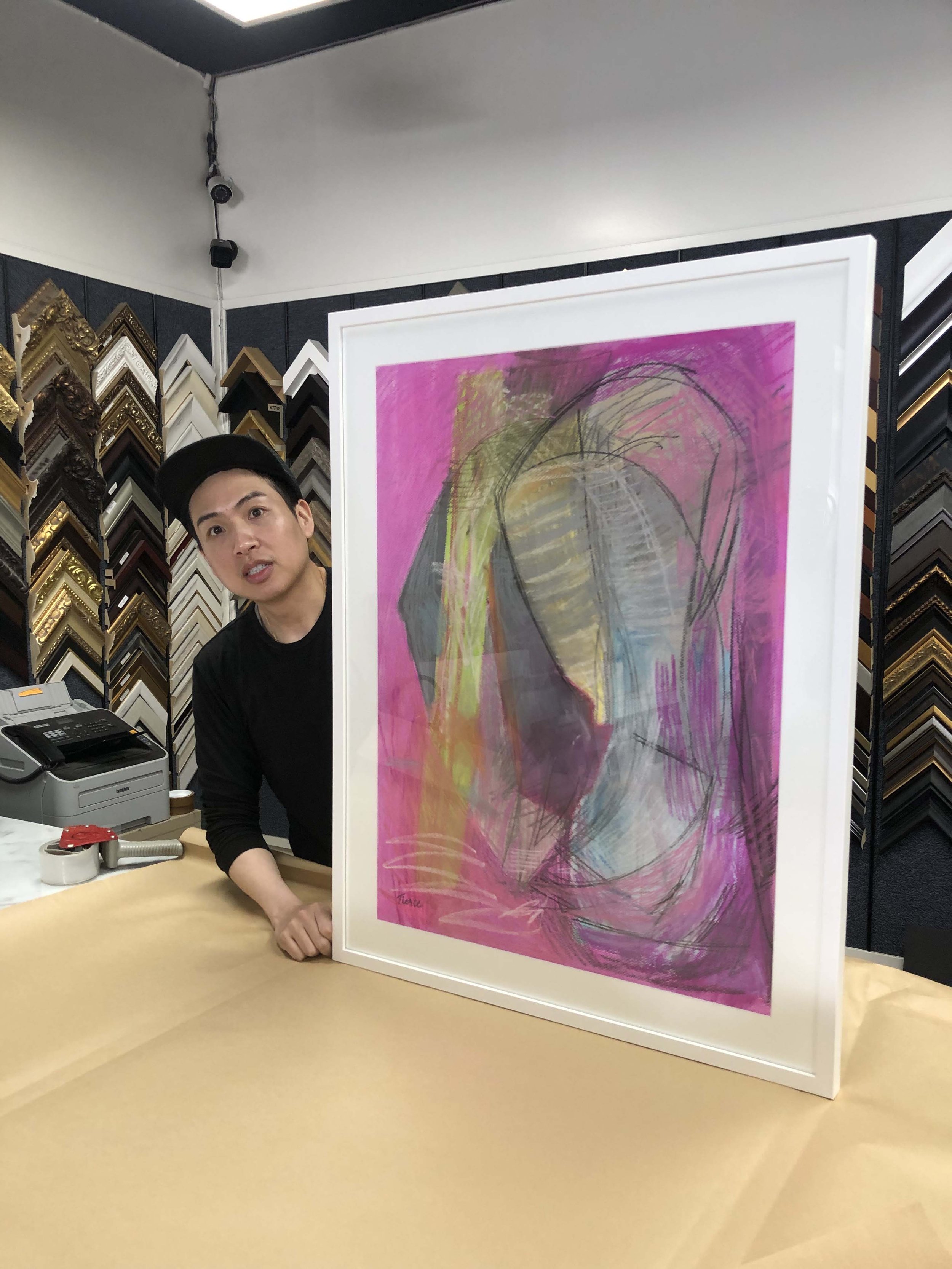
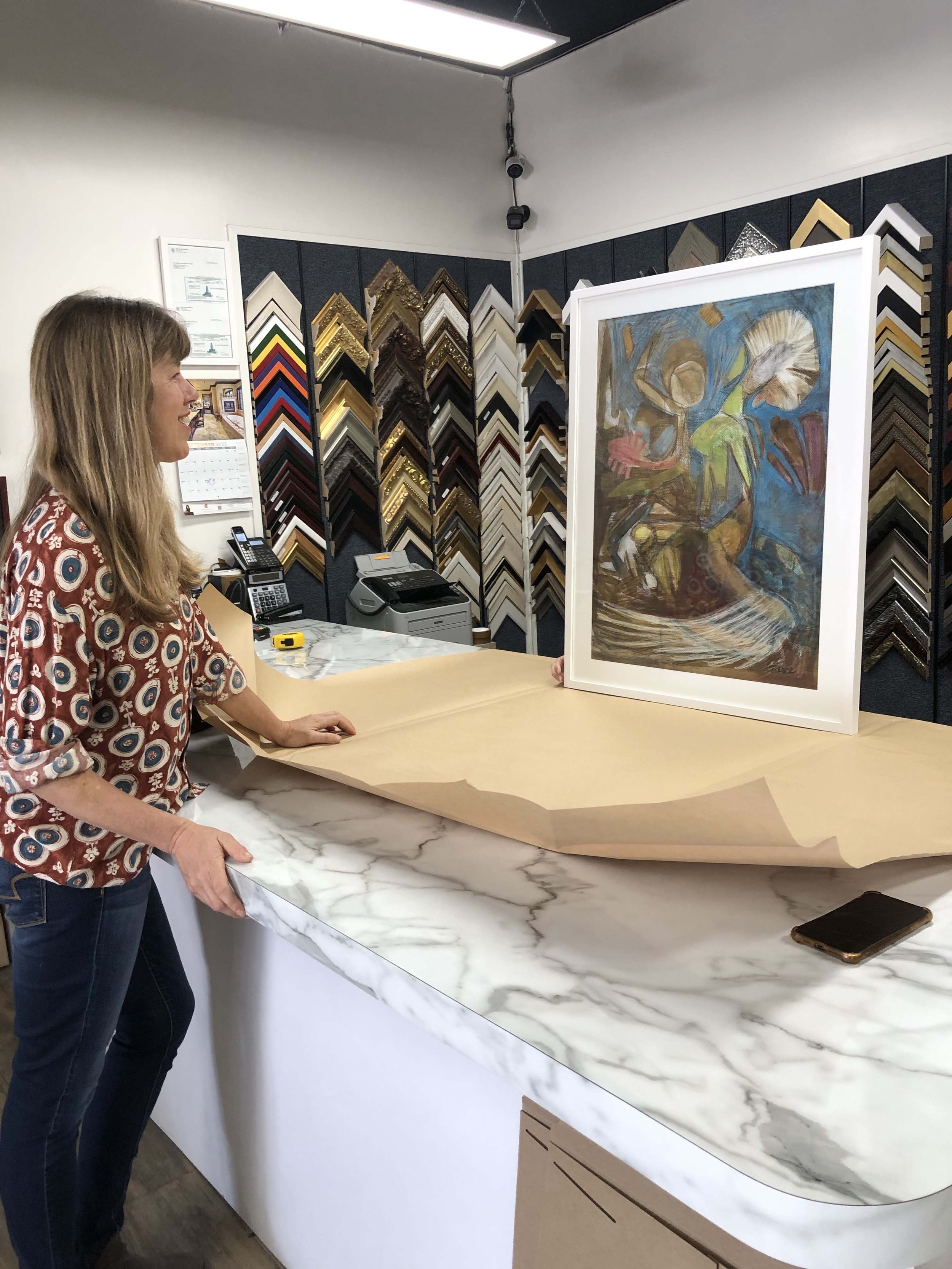
When I asked clients why they chose to buy that particular painting or drawing, their responses were filled with emotion. They described their connection to the artwork as something beyond mere aesthetics—it was as if the artwork had a voice, whispering secrets and stories that resonated deep within their souls. It made their senses come alive, igniting a tingling sensation that sent shivers down their spines.
It’s as if the artwork held mystical power over them. It was more than just a decorative piece; it was a portal into a world that spoke to them profoundly. Such a profound connection is a testament to the power of art and its ability to awaken emotions and inspire a meaningful connection with the world around us.
When you decide to invest in art, you are not just acquiring a physical object; you are immersing yourself in the artist's vision, their unique way of seeing the world. It reflects your innermost thoughts and desires, a cherished piece that speaks to your heart in ways that words cannot express.
This year, I would like to express my deepest gratitude to all of you, both new and long-time collectors, for making my artistic vision a part of your personal sanctuary. By displaying my artwork in your homes, you have supported my craft and shared a piece of my heart and soul with those around you. Your continued trust and support have allowed me to turn my dreams into reality; I am eternally grateful for that.